
Top features of Aluminum Doors
Choosing the right aluminum carved doors is crucial, especially for decorators and designers. Selecting the wrong doors can not only affect the overall aesthetic but also lead to unnecessary maintenance issues. A reputable aluminum carved door supplier will offer a variety of designs and functional options to meet different needs. It is advisable to start with basic styles that fit your space and design, and as your needs evolve, consider opting for more customized and advanced designs.
The material of aluminum carved doors is also essential for their durability and performance. Choose doors made from high-quality aluminum, as they not only provide a strong metallic texture and excellent fire resistance but also offer superior weather resistance and lightweight characteristics. Avoid doors made from low-quality materials or with poor craftsmanship, as this can shorten the door’s lifespan and even impact safety. Investing in high-quality aluminum carved doors ensures that your investment in decoration lasts longer and adds a unique artistic charm to your space.
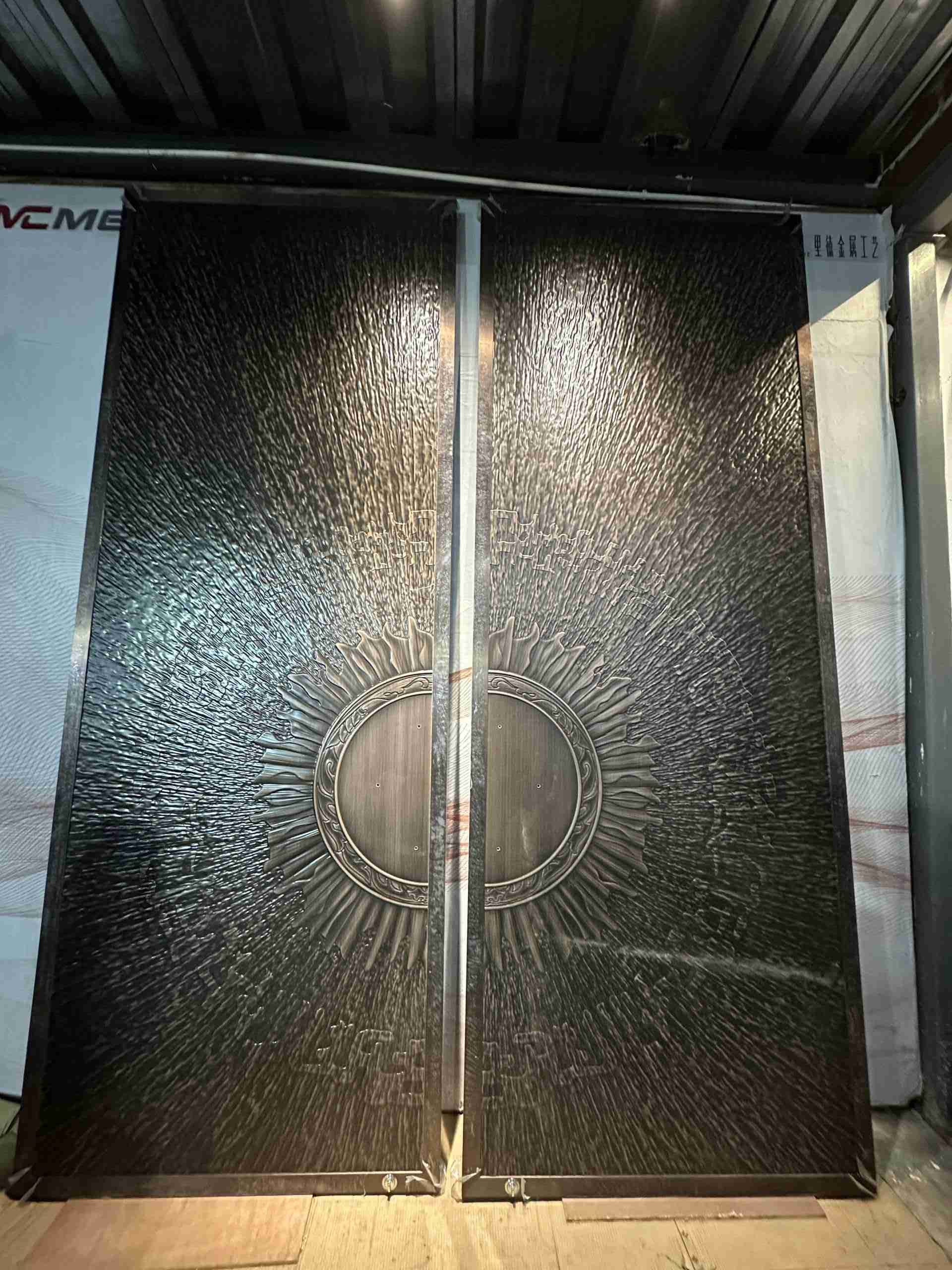
Aluminum Carved Door Surface Treatment Guide
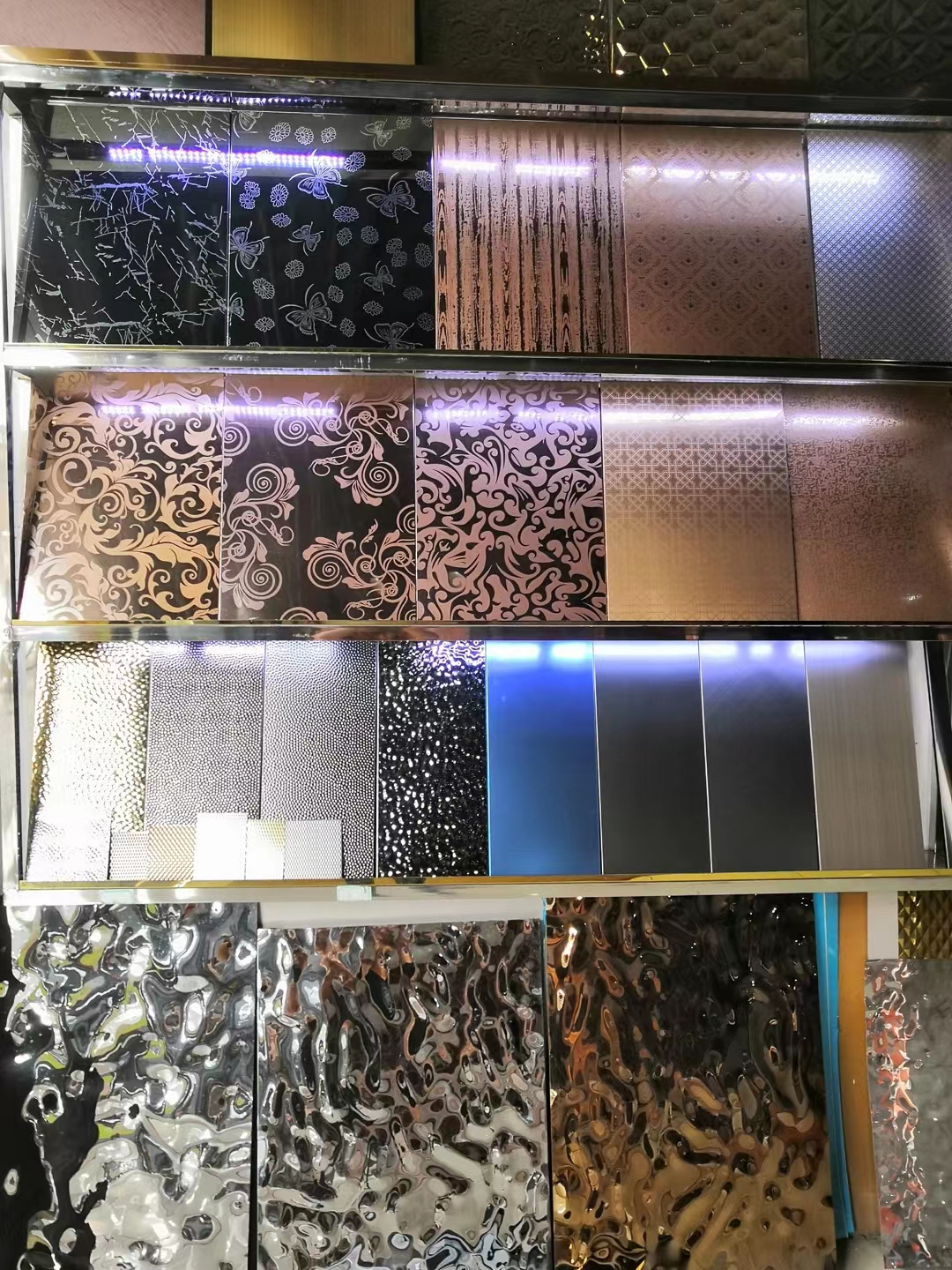
Surface Treatments for Aluminum Carved Doors
Spray Coating: This method includes two main techniques—powder coating and paint coating. Powder coating involves applying a dry powder that is then cured under heat to form a durable finish. Paint coating involves spraying liquid paint, which is then cured to achieve a protective layer. Both techniques effectively shield the door from environmental corrosion and enhance its appearance.
Electroplating: Electroplating involves applying a metal coating to the aluminum surface. There are two primary methods:
- Water Plating: Involves using a liquid solution to deposit a metal layer onto the aluminum.
- Vacuum Plating: Uses a vacuum chamber to apply a thin metal layer through vapor deposition. Due to environmental concerns and improved finish quality, vacuum plating is generally recommended.
Note: If combining aluminum with stainless steel for electroplating, the colors may slightly differ due to the distinct properties of the two metals.
Sandblasting: This process involves blasting the surface with abrasive materials to create a uniform, fine texture. While sandblasting provides a refined look, it does not offer protection against air corrosion. Therefore, it is often followed by a spray coating to ensure a durable and protective finish.
Each surface treatment method offers unique advantages, and the choice depends on the desired appearance, durability requirements, and environmental factors.
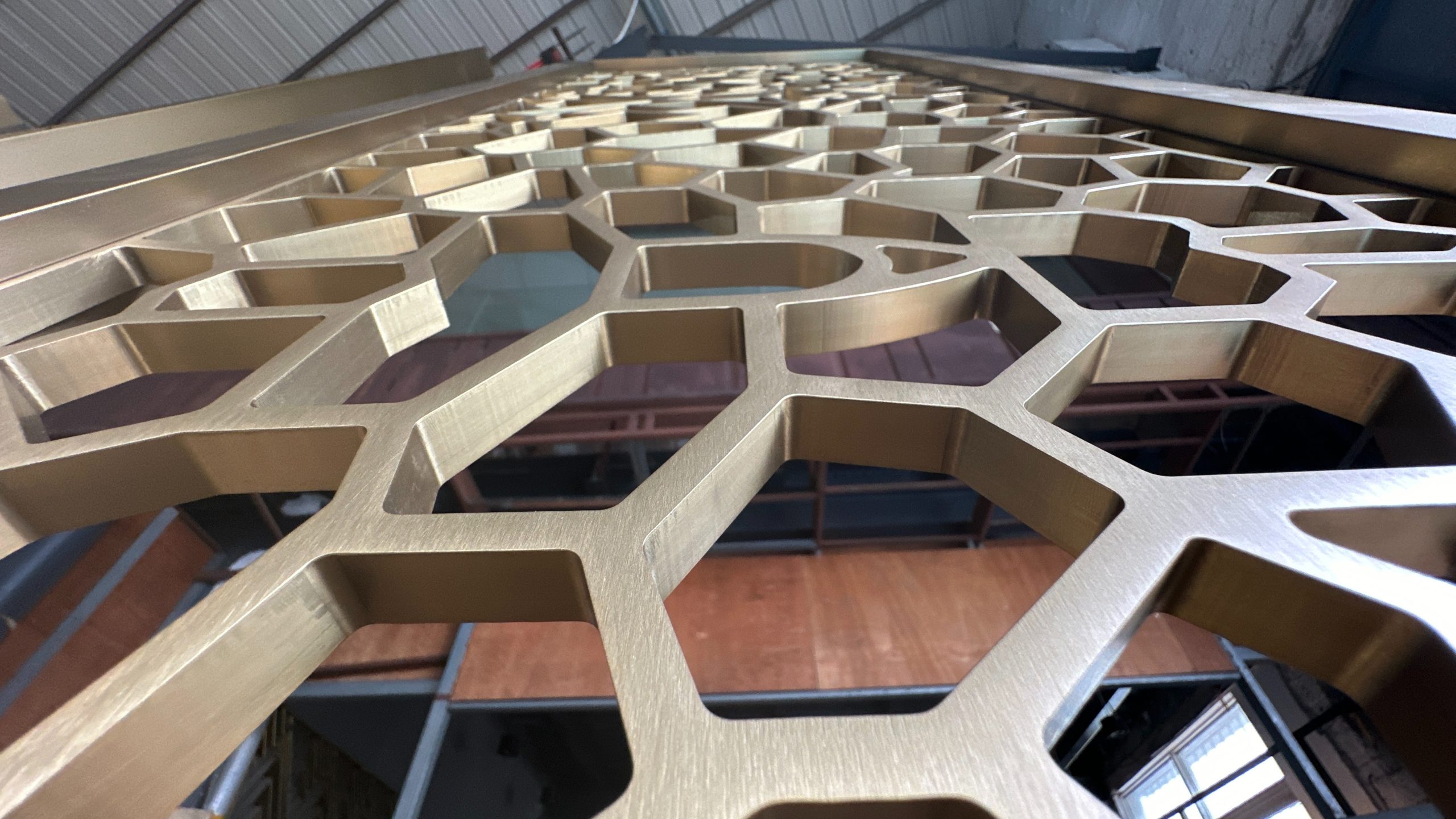
How to Order Aluminum Carved Doors
The process for ordering aluminum carved doors is as follows:
Confirm Dimensions: Verify the site dimensions and account for any adjustments. Clearly determine the quantity needed.
Confirm Design: Finalize the design plan.
Confirm Color and Surface Treatment: For bulk orders, it is advisable to create a color sample.
Confirm Key Transaction Terms: Agree on the order amount, payment method, delivery time, packaging method, and other key conditions. Then, pay a deposit to start production.
Quality Inspection During Production: Since it is difficult to rework products after electroplating, it is recommended to conduct an inspection before electroplating or other surface treatments. You may request the factory to send photos of the raw materials before plating for your confirmation. Generally, you should check the following:
- Whether the pattern matches the design.
- Whether the dimensions match the design.
- For relief products: Check if the pattern’s level of detail meets your requirements.
Final Inspection Before Shipment: Conduct a final inspection before shipment.
Price range of Aluminum Carved Doors
The price range of aluminum carved doors is related to several factors:
Material Thickness: For flat carving, a thickness of less than 8mm is generally sufficient. For relief carving, a thickness of more than 8mm is required. Thicker materials result in higher costs, as material is a major cost component of aluminum carved doors.
Craftsmanship: This depends on whether you choose flat carving or relief carving.
Flat Carving: The more complex the pattern, the higher the unit price. For the same pattern, different thicknesses will also affect processing costs. Thicker materials incur higher processing fees.
Relief Carving: The cost depends on the required depth and level of detail. Deeper relief requires more processing time, thus increasing the cost. Higher detail levels also lead to higher prices. The processing time for fine relief can be 2 to 3 times longer than that for regular relief for the same pattern.
Surface Treatment: Aluminum carved doors can have various surface treatments. Generally, spray coating is the least expensive. More complex treatments or multiple processes will increase the cost.
Order Quantity: The manufacturing process for aluminum carved doors involves multiple steps, including design, cutting, carving, and various surface treatments. Customization is possible at each stage. Larger order quantities typically result in greater discounts.
How to Install Aluminum Carved Doors
The process for installing aluminum carved doors is as follows:
Provide Accurate Measurements to the Manufacturer: This step is crucial and should be done before placing an order. When measuring the on-site dimensions, make sure to leave some allowance. If you are unsure how to measure, it is recommended to contact LMC Reed. We will provide you with more information.
Measure the Delivered Product Dimensions: Check if the dimensions of the delivered product match the on-site dimensions.
Install the Screen According to the Installation Guidelines: Follow the provided installation instructions carefully.
Protect the Finished Product: Ensure that the installed product is protected from any potential damage.