
When choosing metal doors for commercial or residential projects, the variety of options can seem overwhelming. Different metals, finishes, sizes, and functional features mean that each choice must be carefully aligned with your needs. Whether it’s for security, aesthetics, or durability, this guide will walk you through everything you need to consider before placing an order. From selecting the right materials to understanding customization possibilities, follow this step-by-step guide to make the right decisions for your next project.
1. Why Choose Metal Doors?

Metal doors are popular in commercial spaces, hotels, restaurants, industrial facilities, and luxury homes. Here’s why many architects, designers, and contractors favor metal doors:
- Durability: Metal doors, especially those made from stainless steel and aluminum, last longer than wooden or composite doors.
- Enhanced Security: With their high tensile strength, metal doors provide better protection against intrusions.
- Low Maintenance: They are resistant to rust, dents, and environmental damage when treated properly.
- Aesthetic Variety: Metal doors can be brushed, polished, painted, or plated to suit different design styles.
- Fire Resistance: Some metal doors come with fire-rated certifications, ideal for public buildings and hotels.
2. Step-by-Step Ordering Process
2.1 Identify the Purpose of the Door
The intended use of the door will heavily influence your choice. Consider the following:
- Exterior Doors: Require excellent weather resistance, strong security, and often energy-efficient properties.
- Interior Doors: Need a balance between aesthetic appeal and functionality, like sound insulation for hotel rooms.
- Fire-Rated Doors: Essential in public and commercial spaces to prevent the spread of fire.
- Decorative Doors: Focus on design, such as custom metal doors with intricate carvings or luxury finishes.
2.2 Choose the Right Material
There are several metal options, each with unique characteristics:
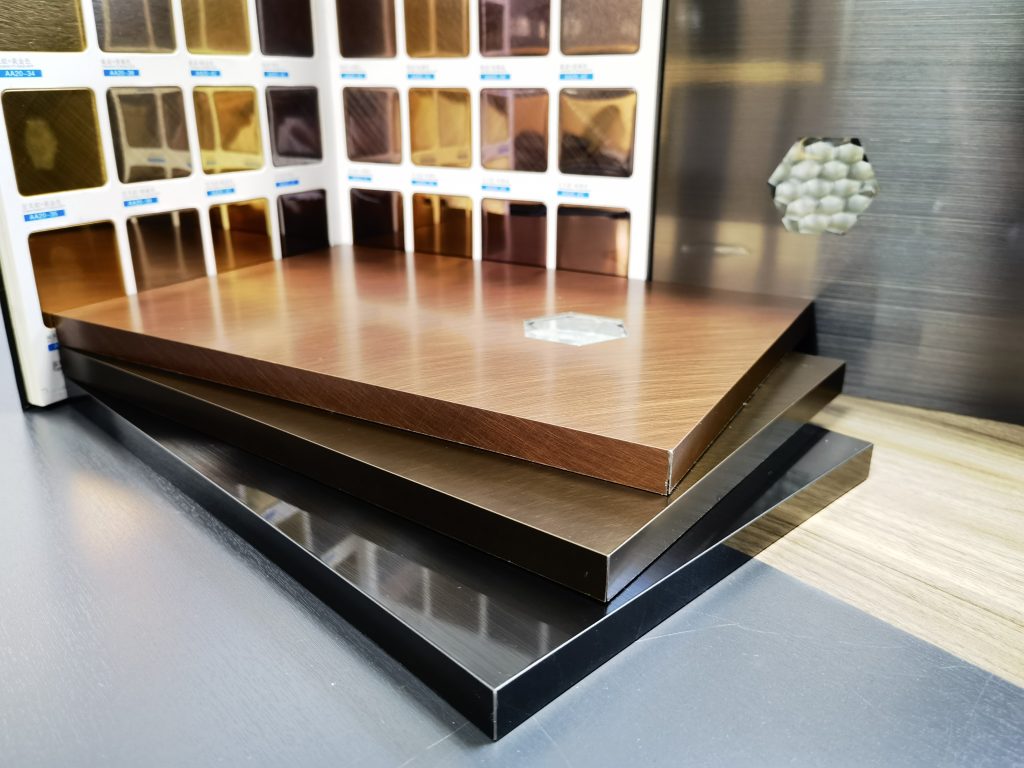
- Stainless Steel: Offers excellent corrosion resistance and is popular in high-end environments. Suitable for hotels, restaurants, and commercial spaces. Available in finishes like brushed, mirror-polish, or PVD-coated in colors like rose gold and black titanium.
- Aluminum: Lightweight, cost-effective, and weather-resistant. Often used for outdoor doors or custom decorative doors.
- Copper and Bronze: Known for their rich patina and unique appearance. Common in luxury homes or historical restoration projects.
- Steel: Highly durable but may require additional coating to prevent rust. Ideal for industrial applications where security is a top priority.
2.3 Understand Surface Treatments
The finish you select can change the entire look and feel of the door. Some popular metal finishes include:
- Brushed Finish: Adds subtle texture and hides fingerprints and scratches.
- Mirror Finish: Polished to a reflective surface, ideal for luxury spaces like hotel lobbies.
- Powder Coating: Provides a durable, colored surface in various shades. Useful for outdoor doors exposed to harsh environments.
- PVD Coating: Creates metallic colors like rose gold, antique brass, or champagne gold with high durability.
- Antique Patina: Often applied to bronze or copper doors to give them a weathered, aged look.
2.4 Measurement and Sizing
Accurate measurement is crucial to ensure the door fits perfectly in its frame. Here are some tips:
- Measure Both Width and Height: Check for any irregularities in the frame.
- Account for Clearance: Ensure there’s enough clearance for the door to swing open without obstruction.
- Check Standard Sizes: If you want a quick installation, consider ordering from standard size options, though custom doors offer more flexibility.
2.5 Select the Core and Insulation
The core of the door can affect its strength and insulation:
- Hollow Metal Core: Common for interior doors, offering good strength at a lower weight.
- Foam-Filled Core: Provides excellent thermal and sound insulation.
- Solid Metal Core: Offers the highest level of security and fire resistance, often used for exterior or industrial doors.
2.6 Hardware and Locking Options
Consider what type of hardware and locks your door will require:
- Hinges: Choose between standard hinges or heavy-duty ones for larger doors.
- Locks and Handles: Select from keypad locks, smart locks, or traditional mechanical locks. Stainless steel or brass handles complement modern designs.
- Closers and Panic Bars: Required for fire-rated or emergency exit doors.
- Seals and Weatherstripping: Help improve energy efficiency by preventing air leaks.
2.6 Hardware and Locking Options
Consider what type of hardware and locks your door will require:
- Hinges: Choose between standard hinges or heavy-duty ones for larger doors.
- Locks and Handles: Select from keypad locks, smart locks, or traditional mechanical locks. Stainless steel or brass handles complement modern designs.
- Closers and Panic Bars: Required for fire-rated or emergency exit doors.
- Seals and Weatherstripping: Help improve energy efficiency by preventing air leaks.
2.7 Customization Options
One of the key advantages of metal doors is their customization potential. Many suppliers offer the following:
- Laser-Cut Patterns: Create intricate designs or company logos on the door.
- Glass Inserts: Add frosted or tempered glass panels to allow light in while maintaining privacy.
- Special Finishes: Apply custom PVD coatings to match specific color palettes.
- Engraved Designs: Ideal for boutique hotels or high-end residential projects seeking unique aesthetics.
2.8 Quality Certifications
Before ordering, make sure the doors comply with relevant industry standards:
- Fire-Rated Certification: Look for fire ratings such as UL 10C or EN 1634.
- ANSI/BHMA Certification: For hardware durability and performance.
- ISO Certifications: Ensures the door meets international quality standards for export.
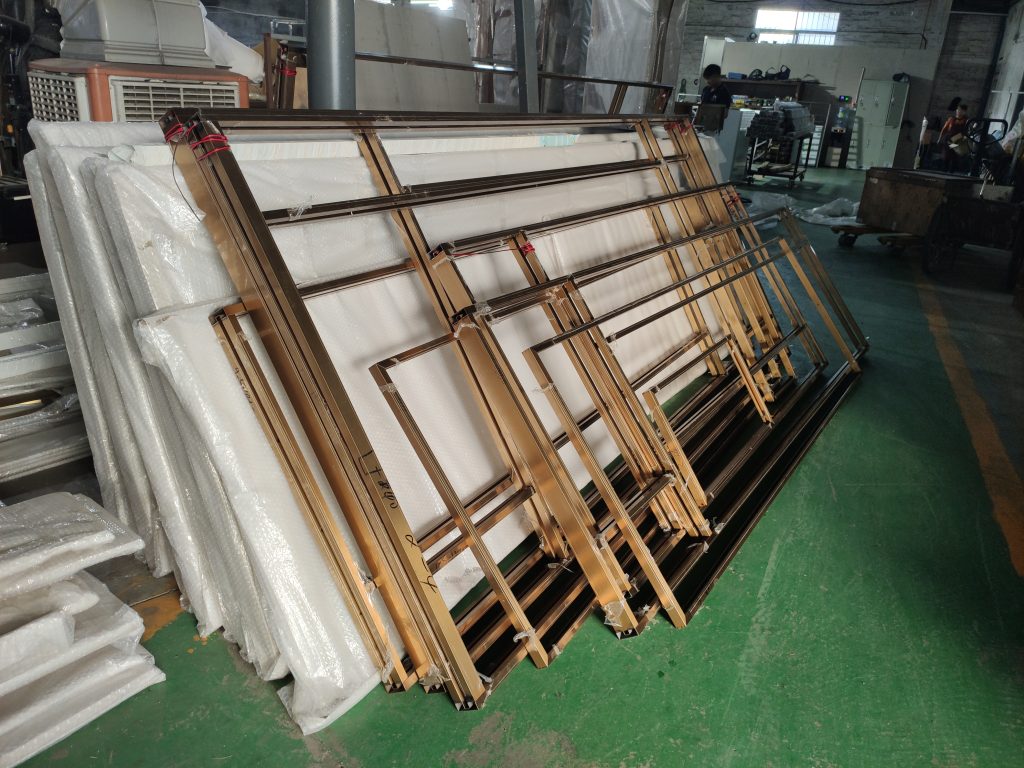
2.9 Shipping and Installation
Shipping metal doors requires careful planning to prevent damage:
- Packaging: Make sure the supplier provides protective packaging with cushioning for transportation.
- Shipping Options: Check whether the supplier offers door-to-door delivery or requires you to arrange freight.
- Installation: Coordinate with professional installers to ensure the door is correctly fitted, especially for large, custom metal doors.
3. Common Mistakes to Avoid
- Not Accounting for Frame Compatibility: Ensure the door fits the frame perfectly, or you’ll run into installation issues.
- Ignoring Environmental Conditions: Use coated or stainless steel for doors exposed to moisture or coastal environments.
- Overlooking Hardware Compatibility: Make sure the hardware fits both the design and functionality of the door.
- Ordering Without Fire Certification: In public buildings, fire-rated doors are mandatory—don’t skip this requirement.
4. Conclusion
Ordering metal doors doesn’t need to be complicated if you follow the right steps. By carefully considering materials, finishes, sizes, hardware, and certifications, you can ensure your door aligns with the project’s aesthetic and functional needs.
Whether you’re installing decorative doors in a hotel lobby or heavy-duty steel doors in a factory, this guide has covered the essentials to help you make the right choice. If you need further assistance or a custom solution, contact a trusted supplier to explore your options and find the perfect metal door for your project.