
【Understanding Stainless Steel Processing Techniques in Architecture】
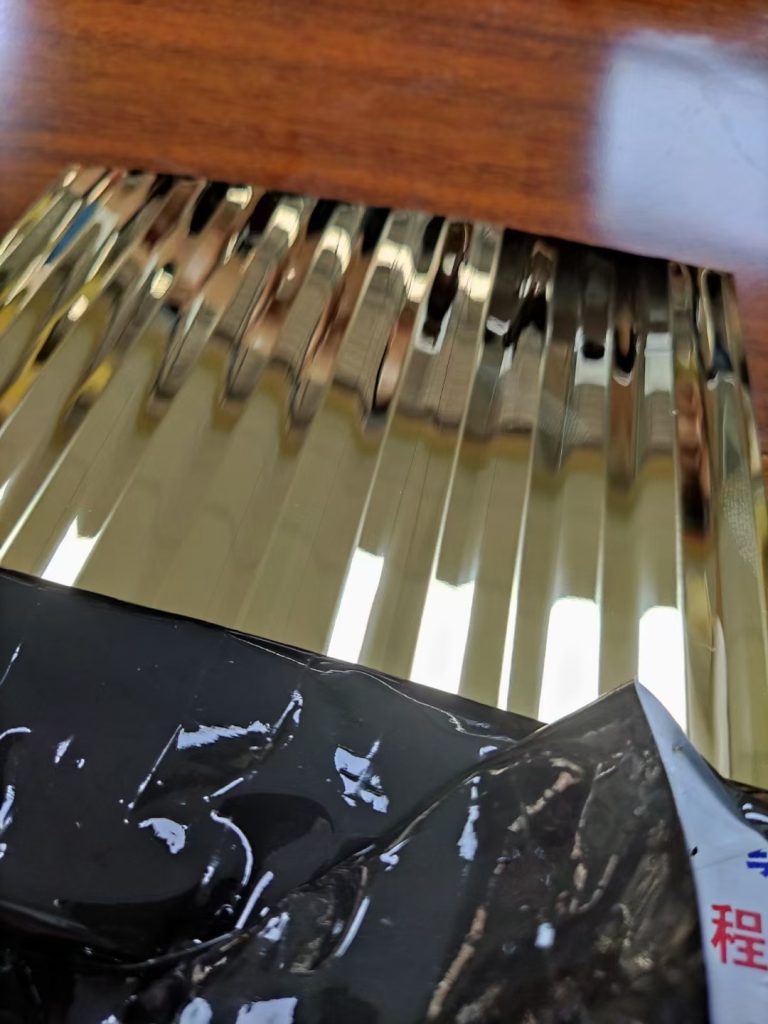
Designers have always sought to achieve a metallic texture while minimizing budgets. With excellent corrosion resistance, beautiful appearance, and long service life, stainless steel has become one of the most commonly used metals in architectural design. As times evolve, more and more types of stainless steel are coming into view. Today, we have compiled various stainless steel processing techniques used in the architectural field, allowing you to master stainless steel processes in architectural design in one article.
【Texture Processing Techniques】
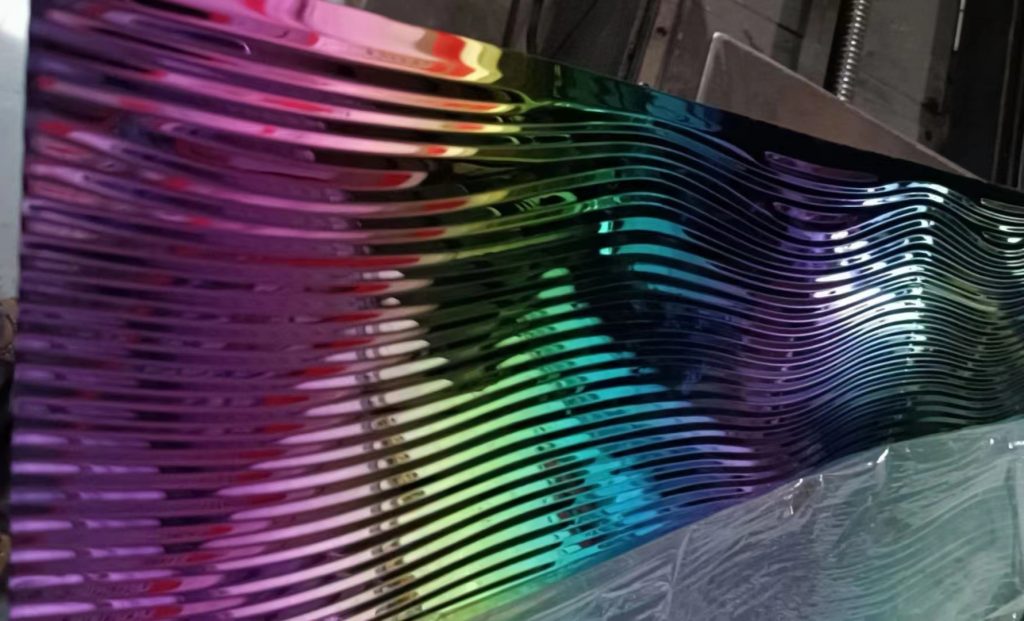
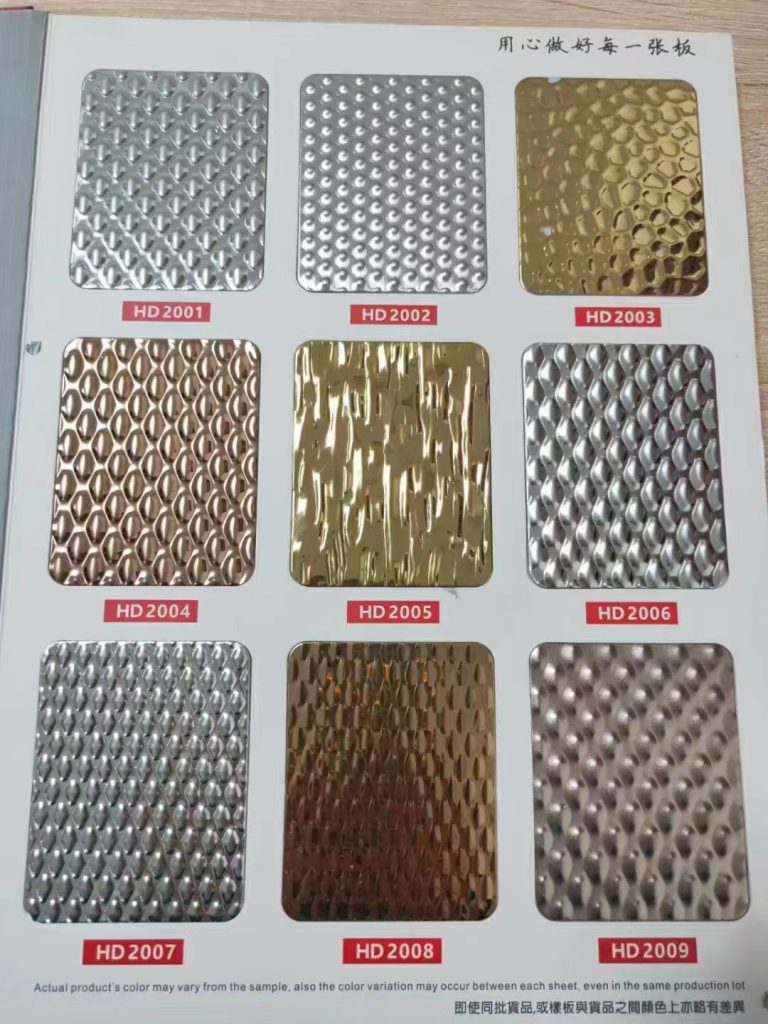
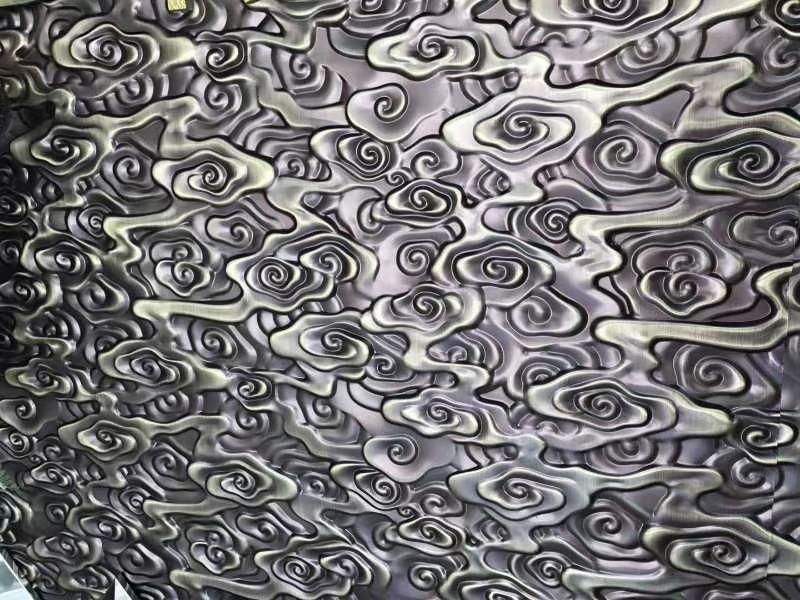
- Embossing Process: Thin metal sheets are physically pressed using large CNC machinery and precise pattern molds to create various exquisite concave and convex patterns on the surface.
- Random Pattern Process (He Pattern): This is achieved using specialized equipment where the grinding head moves irregularly up and down, left and right. From a distance, it appears as concentric circles; up close, it is a chaotic pattern.
- Sandblasting (Shot Peening): Using compressed air for power, the blasting material is rapidly sprayed onto the sheet surface, resulting in a fine bead-like sand surface.
- Brushing: This is a mechanical friction method applied to the stainless steel surface. It includes straight-line brushing, random brushing, wave brushing, circular brushing, and threaded brushing.
- Mirror Finish: Achieved on polishing and grinding equipment using high-quality oilstones, diamond polishing paste, and different sandpapers through rough grinding, intermediate grinding, and fine grinding to obtain a bright surface effect.
- Etching Process: A special resist layer is used to cover the parts of the surface not to be etched, shielding the acid so it only contacts the parts to be etched, resulting in etched patterns and text.
- Laser Engraving: High-energy density laser beams are used to locally irradiate the workpiece surface, causing rapid vaporization or color change of the surface material, revealing the required engraved patterns and text.
【Color Processing Techniques】
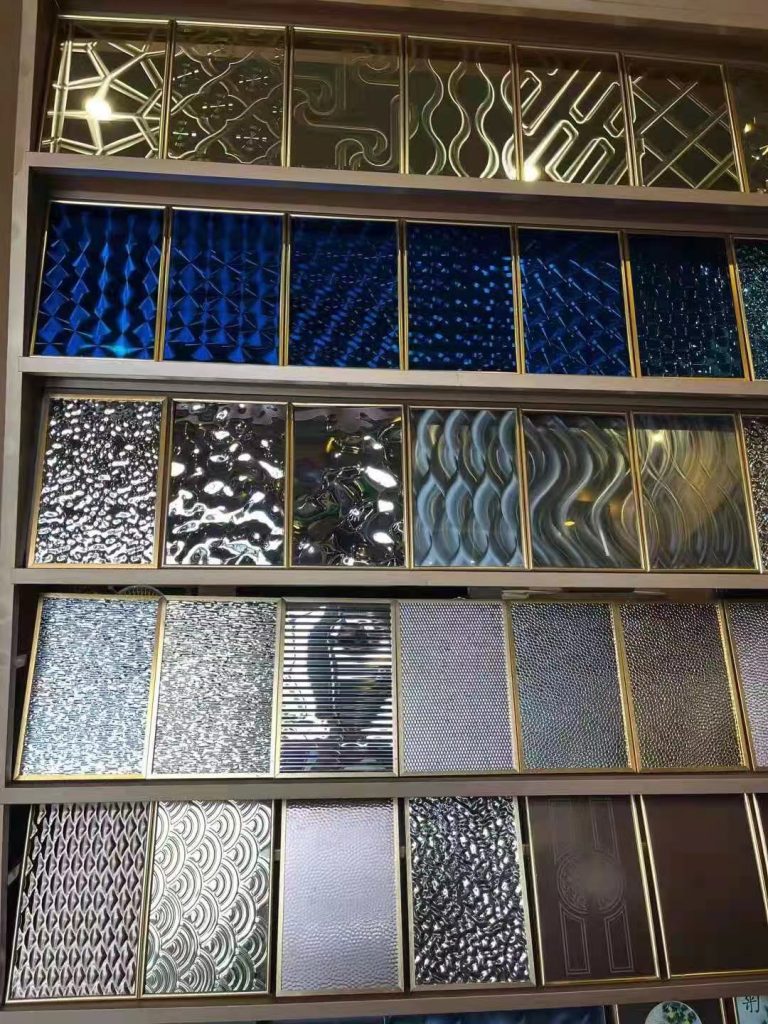
- PVD Coating: Utilizing electrolysis, a layer of other metals (such as chromium, nickel, copper, titanium) is electroplated onto the stainless steel surface. This not only imparts different colors to the surface but also enhances wear resistance, decoration, reflectivity, and corrosion resistance (such as resistance to copper sulfate).
- Nano Color Oil Process: Popularized in recent years, the process steps include: cleaning, burning, blackening, manual brushing, spraying color oil, and baking at 250 degrees Celsius. The color oil achieves effects not possible with electroplating, offering richer expressive effects. Using German nano-coating technology, the stainless steel surface is coated with a certain thickness of pure copper, bronze, or brass.
- Water Plating: Through electrolysis, metal or alloy is deposited on the workpiece surface to form a uniform and dense metal layer. Simply put, it is a combination of physical and chemical changes.
【Other Techniques】
- Spraying: Utilizing spraying equipment to coat the stainless steel surface with a layer of paint or coating, forming a protective layer. This can change the appearance of stainless steel, enhancing its corrosion and wear resistance, and providing dust, stain, and scratch resistance.
- Anti-Fingerprint Process: A composite coated plate obtained after anti-fingerprint treatment on the stainless steel surface, primarily using roll coating for the application.
【Concluding Remarks】
Stainless steel has become a commonly used material in architectural design due to its excellent corrosion resistance, beautiful appearance, and long service life. Common stainless steel processing techniques include embossing, random pattern, sandblasting, brushing, mirror finishing, etching, and laser engraving for texture treatment, as well as PVD coating, nano color oil, and water plating for surface treatment. These techniques not only enhance the decorative effect of stainless steel but also improve its wear resistance and corrosion resistance. If you want to learn more about stainless steel or customize it, please contact us.