
Sliding doors are essential in commercial spaces like hotels and restaurants, offering smooth access between rooms, patios, and different areas while enhancing the overall aesthetic. However, like any high-traffic feature, sliding doors can become sluggish and difficult to open or close if the tracks are not regularly cleaned. If you’re facing stubborn sliding doors that drag or stick, it’s time to address the issue.

In commercial environments where efficiency and a welcoming atmosphere are key, ensuring that sliding doors operate smoothly is crucial. Dirt, dust, grease, and debris can accumulate in the tracks over time, leading to friction and hindering the movement of the doors. The good news is that with the right tools and a bit of effort, you can restore your sliding doors to their prime condition.
Why Are Sliding Doors Hard to Open and Close?
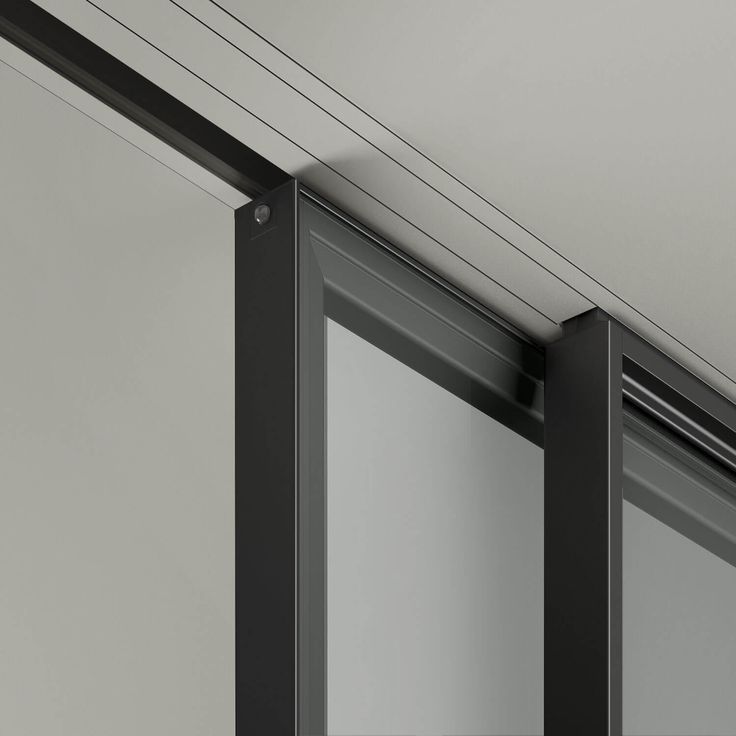
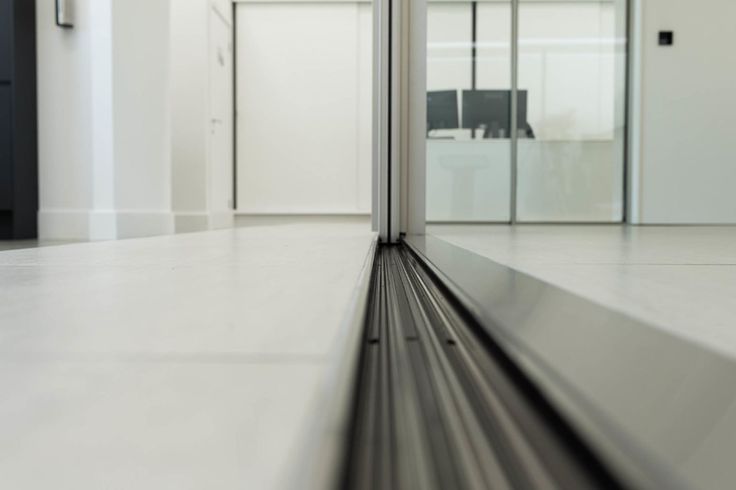
In commercial spaces like hotels and restaurants, sliding doors are often used multiple times throughout the day. Over time, dirt, food particles, and other debris can get trapped in the tracks, preventing the door rollers from gliding smoothly. This leads to doors that stick or drag, which can be a significant inconvenience in a fast-paced business environment. Additionally, if the rollers or tracks are damaged, it can cause misalignment and further reduce the smooth operation of the door.
Essential Tools and Materials
Before you begin cleaning the sliding door tracks in your hotel or restaurant, gather the following materials:
- Vacuum cleaner with hose attachment
- Stiff brush or old toothbrush
- Cleaning solution (dish soap and warm water, or a stronger mix of vinegar and baking soda for tougher grime)
- Microfiber cloths or paper towels
- Silicone-based lubricant
Step-by-Step Guide to Cleaning Sliding Door Tracks in Commercial
To maintain a smooth, hassle-free operation of your sliding doors, it’s important to clean the tracks regularly. Here’s how to do it:
Step 1: Vacuum the Sliding Door Tracks
Start by removing loose dirt, dust, and debris from the tracks. Use a vacuum cleaner with a hose attachment to target the hard-to-reach corners and crevices of the track. Make sure to focus on areas where particles tend to build up, as these can cause blockages and make the door harder to open or close.
Step 2: Sweep Away Stubborn Dirt
Next, use a stiff brush or an old toothbrush to dislodge any dirt that the vacuum might have missed. Scrub the tracks gently to free up particles stuck in tight spaces. This extra step will prevent the buildup of grime, which can interfere with the movement of the rollers.
Step 3: Deep Clean the Tracks
For regular maintenance, use a mix of dish soap and warm water to scrub the tracks thoroughly. If you’re dealing with tough, built-up grime, use a mixture of baking soda and vinegar. Sprinkle baking soda on the tracks, followed by a bit of vinegar. The fizzing action will help break down stubborn dirt. Scrub the tracks well to remove all residue.
This is especially important in commercial spaces where the door’s movement can be affected by grime and grease buildup, especially in areas like kitchens or outdoor patios.
Step 4: Rinse and Dry Thoroughly
Once the tracks are clean, rinse them with warm water to remove any leftover cleaning solution. Follow up with a microfiber cloth or paper towel to dry the tracks completely. This step helps prevent any moisture from lingering and causing rust or further buildup.
Step 5: Apply Silicone Lubricant for Smooth Operation
To keep the sliding door gliding smoothly, apply a thin coat of silicone-based lubricant along the dry tracks. Unlike other lubricants, silicone-based products won’t attract dirt and dust, making them perfect for high-traffic areas like those found in hotels and restaurants.
FAQs
What is the best way to clean sliding door tracks in hotels or restaurants?
The best method is to vacuum the tracks first to remove loose dirt. Follow up with a cleaning solution of dish soap and warm water, or a vinegar and baking soda mix for tougher dirt. Finally, dry the tracks and apply a silicone-based lubricant for smooth movement.
Should you use WD-40 on sliding glass door tracks?
Avoid using WD-40 as it attracts dirt and debris, which can quickly build up and affect the performance of the door. A silicone-based lubricant is a better choice, as it reduces friction without attracting grime.
How to clean sliding door wheels without removing them?
To clean the wheels, slide the door open and use a vacuum or a cloth to remove dirt from the wheels and tracks. Applying a small amount of silicone lubricant will ensure smooth operation without the need to remove the wheels.
What is a home remedy for cleaning sliding doors in a commercial setting?
For a simple remedy, sprinkle baking soda on the tracks, pour vinegar over it, and let the mixture fizz. After the fizzing stops, scrub the tracks with a brush, wipe clean, and dry thoroughly.
Wrapping Up
Whether in a hotel lobby, restaurant dining area, or patio, sliding doors are essential for a seamless guest experience. Regular maintenance is key to ensuring these doors glide smoothly and last longer. By following the steps outlined above, you’ll ensure that your doors remain functional, reduce the need for costly repairs, and maintain a positive image for your commercial space.

For high-quality, durable sliding door solutions designed for commercial spaces, LeadMC works with top architects and builders to offer the best in design and function. Reach out to LeadMC to keep your sliding doors performing at their best and maintain a welcoming atmosphere for your guests.