
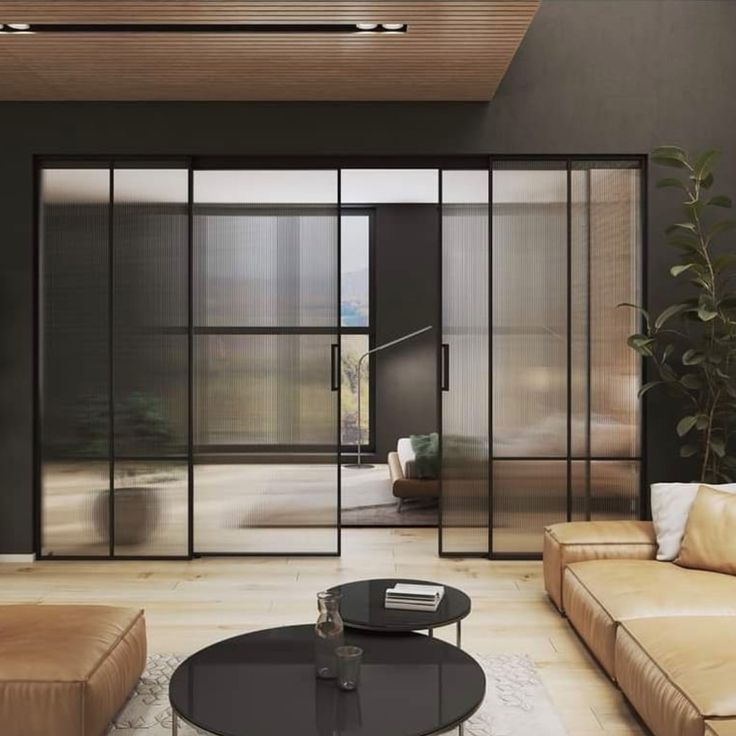
Understanding Stainless Steel in Elevator Interiors
As a company specializing in stainless steel doors, LeadMC Metal knows the importance of choosing the right stainless steel material for product quality. Stainless steel is widely used in various fields due to its excellent hardness, corrosion resistance and beautiful appearance. Different types of numbering have unique properties, and understanding these differences is important in choosing the most appropriate material for your door.
Stainless steel is an alloy of iron, chromium (at least 10.5%), nickel, carbon and molybdenum. The most notable property of stainless steel is its corrosion resistance, due to the protective layer of chromium oxide formed by the element chromium.
Core properties
- Excellent corrosion resistance: the chromium oxide layer effectively prevents rust and corrosion.
- High strength and durability: particularly suitable for load-bearing door constructions
Temperature. - Adaptability: some grades can withstand extreme temperatures.
- Hygienic and easy to clean: non-porous surface, especially suitable for hospitals and the food industry.
- Aesthetically pleasing: a wide range of surface finishes are available to enhance architectural aesthetics.
The key role of alloying elements
At LeadMC Metal, we pay particular attention to the influence of the following elements on the properties of stainless steel for doors:
| Element | Primary Role | Impact on Stainless Steel Doors |
|---|---|---|
| Chromium (Cr) | Forms protective oxide layer | Higher Cr = better rust resistance (essential for outdoor doors). |
| Nickel (Ni) | Enhances ductility & toughness | Improves formability & weldability (great for custom door designs). |
| Molybdenum (Mo) | Boosts pitting/crevice corrosion resistance | Best for coastal areas with salt exposure. |
| Carbon (C) | Increases hardness & strength | Used in high-security doors but may reduce weldability if excessive. |
The five main types of stainless steel used in the door industry
Austenitic stainless steel (most commonly used)
- Representative grades: 304, 316
- Characteristics: non-magnetic, good corrosion resistance, easy processing
- Applicable: residential doors, commercial entrance doors
Ferritic stainless steel (economic)
- Representative grade: 430
- Characteristics: magnetic, low cost
- Applicable: interior decorative doors
Martensitic stainless steel (high security)
- Representative grade: 410, 420
- Characteristics: high hardness, heat treatable
- Application: bank vault door, prison door
Duplex stainless steel (super corrosion resistance)
- Representative grade: 2205
- Characteristics: twice the strength of 304
- Application: chemical plants, offshore platform doors
Precipitation hardening stainless steel (special purpose)
- Representative grade: 17-4PH
- Characteristics: Heat treatable for strengthening
- Application: Military facility doors
About Stainless Steel Doors
Stainless Steel Grade Selection Guide for Doors
At LeadMC Metal, we primarily recommend the following grades:
- 304 Stainless Steel: Cost effective and suitable for most environments.
- 316 Stainless Steel: 2-3% molybdenum, suitable for coastal areas
- 430 Stainless Steel: Economical choice for interior doors
- 2205 Duplex: for extreme environments.
Production process and quality control
We utilize a rigorous production process:
- Precision casting: melting in electric arc furnaces
- Hot rolled/cold rolled: precise thickness control
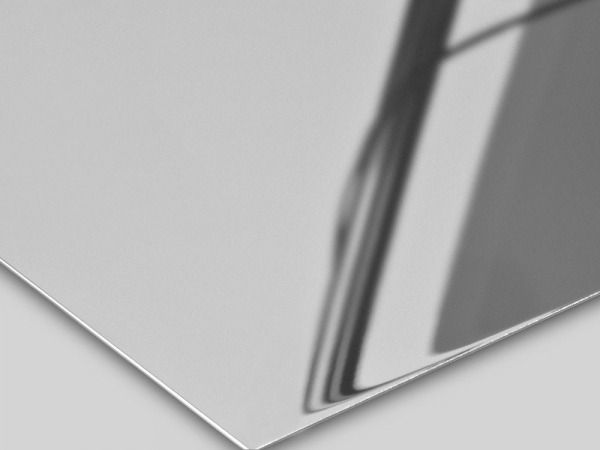
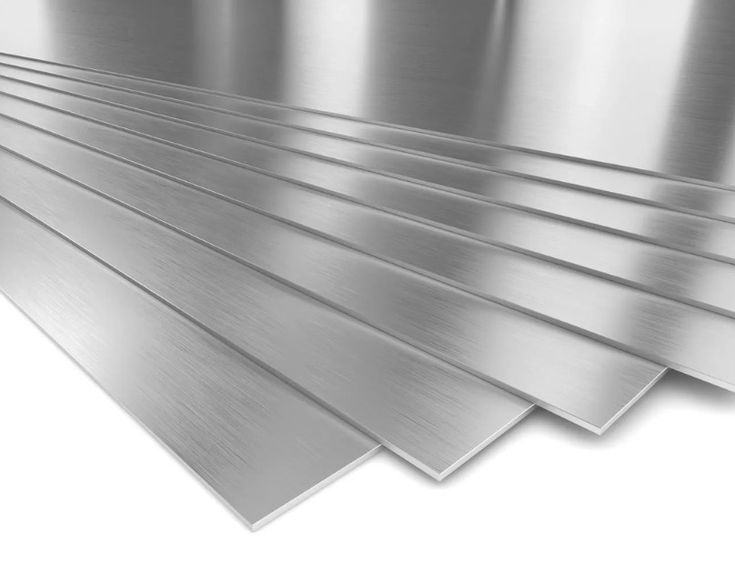
- Surface treatment: brushed and mirror finish options available
- Laser Cutting: Ensure accurate dimensions
- Strict testing: including salt spray test, hardness test, etc.
Key Considerations for Material Selection
When selecting materials for our customers, LeadMC Metal focus on the following considerations:
- Use of the environment (coastal, industrial areas, etc.)
- Safety level requirements
- Budget constraints
- Design style requirements
- Maintenance convenience
Maintenance Recommendations
To ensure your stainless steel door lasts as long as it should:
- Wipe regularly with a soft cloth
- Avoid chlorine-based cleaners
- In coastal areas, monthly rinsing with water is recommended
- Minor scratches can be treated with a special polish
- Environmental benefits
Environmental benefits
Stainless steel doors are the green choice:
- 100% recyclable
- Lifespan of 50 years or more
- Environmentally friendly production process
Conclusion
In actual use, the performance of stainless steel doors may vary slightly due to the installation environment, usage and other factors. Regular professional maintenance is recommended.
For more stainless steel door customization solutions, please feel free to contact our technical consultant team, we will provide you with professional advice and free sample service.
LeadMC Metal: Your Trusted Expert in Stainless Steel Doors
With 10+ years of expertise, LeadMC Metal specializes in stainless steel doors and elevator interior solutions for commercial spaces like hotels, offices, and malls.
Expertise & Quality – Decades of experience in crafting durable and stylish stainless steel doors.
Diverse Solutions – Floor spring doors, sliding doors, folding doors, and custom designs to fit any project.
Premium Materials – High-grade 304 & 316 stainless steel for superior corrosion resistance and longevity.
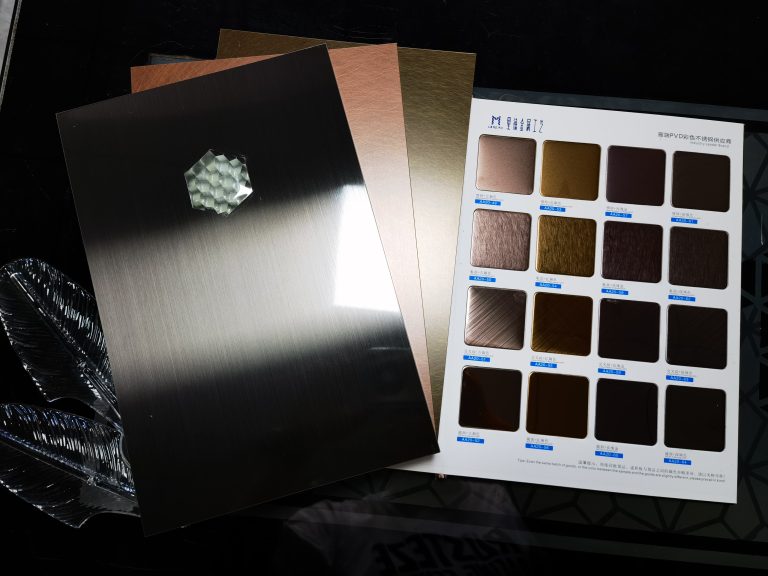
Custom Aesthetics – Finishes include brushed, mirror-polished, and etched stainless steel for a sleek look.
Seamless Integration – Designed to complement elevator walls, ceilings, and control panels for a cohesive style.
Sustainable & Low Maintenance – 100% recyclable, long-lasting, and easy to clean.
At LeadMC Metal, we use premium-grade stainless steel (304 & 316), ensuring corrosion resistance, durability, and long-term performance. Whether you’re designing luxury hotel elevators or high-end commercial spaces, our custom stainless steel doors provide the perfect blend of strength, aesthetics, and functionality.

How to Clean Sliding Door Tracks Properly?
Sliding doors are essential in commercial spaces like hotels and restaurants, offering smooth access between rooms, patios, and different areas
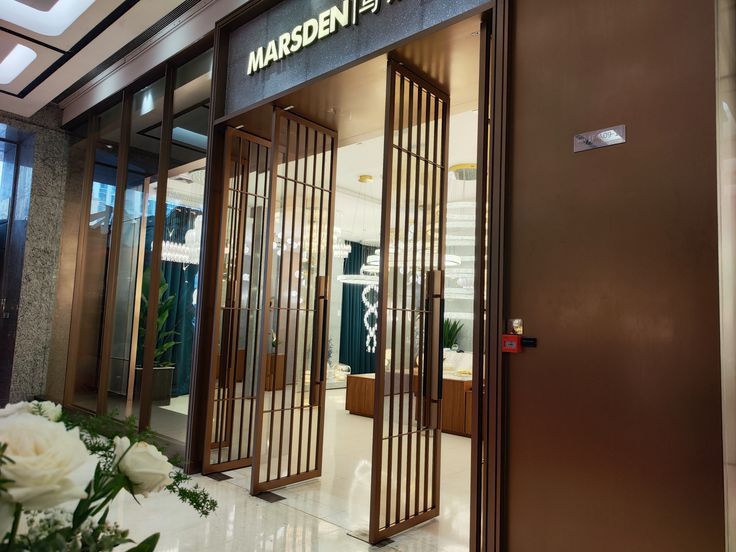
Choosing the Right Material for Stainless Steel Doors
Steel is an essential material in the construction and design industries, with carbon steel and stainless steel being two of

5 Different Types and Grades of Stainless Steel Explained
Different types of numbering have unique properties, and understanding these differences is important in choosing the most appropriate material for