

Steel is an essential material in the construction and design industries, with carbon steel and stainless steel being two of the most commonly used types. At LeadMC Metal, we specialize in high-end stainless steel doors for commercial spaces such as restaurants, hotels, office buildings, and luxury retail stores. When choosing the right material for doors, factors such as durability, aesthetics, maintenance, and performance are critical. In this article, we compare carbon steel and stainless steel to help you make an informed decision when selecting the ideal material for your stainless steel doors.
Key Differences Between Carbon Steel and Stainless Steel for Doors
Corrosion Resistance and Maintenance
Carbon Steel Doors: Carbon steel is more susceptible to rust and corrosion, particularly in humid environments or areas with frequent exposure to water. To protect against corrosion, carbon steel doors often require coatings such as powder coating, paint, or galvanization. However, over time, wear and scratches can expose the raw steel beneath, increasing the likelihood of rust formation and necessitating regular maintenance.
Stainless Steel Doors: Stainless steel, particularly grades 304 and 316, has superior corrosion resistance thanks to its chromium content. This makes it an ideal material for environments prone to moisture, such as kitchens, hotel lobbies, and even coastal areas where salt air can accelerate corrosion. Stainless steel doors require minimal maintenance and retain their pristine appearance for years, making them a cost-effective long-term solution for commercial spaces.
Durability and Structural Strength
Carbon Steel Doors: While carbon steel is known for its strength and high tensile properties, it is more prone to brittleness and can lose structural integrity over time if exposed to moisture. This material often requires extra reinforcement and protective coatings to ensure long-term durability and performance.
Stainless Steel Doors: Stainless steel excels in terms of strength and durability, offering excellent impact resistance and maintaining its structural integrity under high traffic conditions. Its resistance to rust and other forms of corrosion ensures that stainless steel doors stand the test of time, making them the ideal choice for commercial applications that demand reliability and long-term performance.
Aesthetic Appeal and Surface Finish
Carbon Steel Doors: Carbon steel typically has a dull grey appearance, which can be improved with coatings like paint or powder coating. However, these finishes may fade, chip, or wear off over time, requiring periodic refinishing to maintain aesthetic appeal.
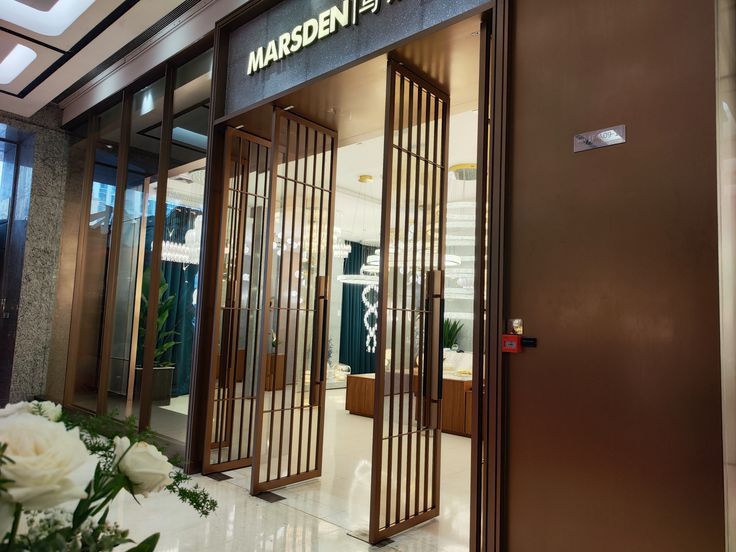
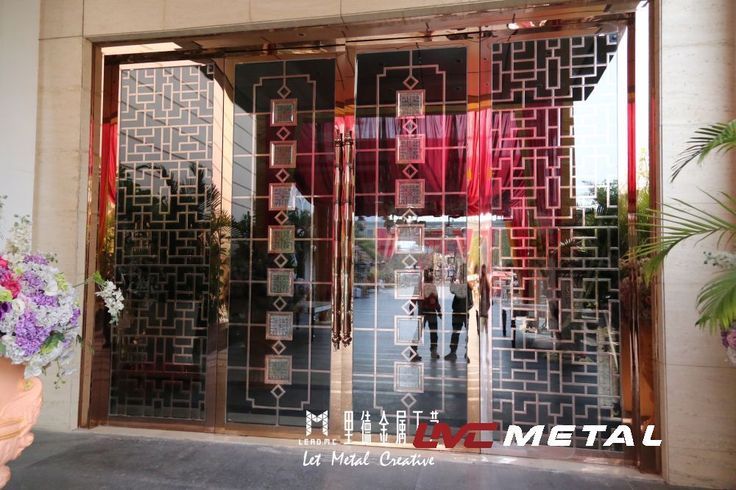
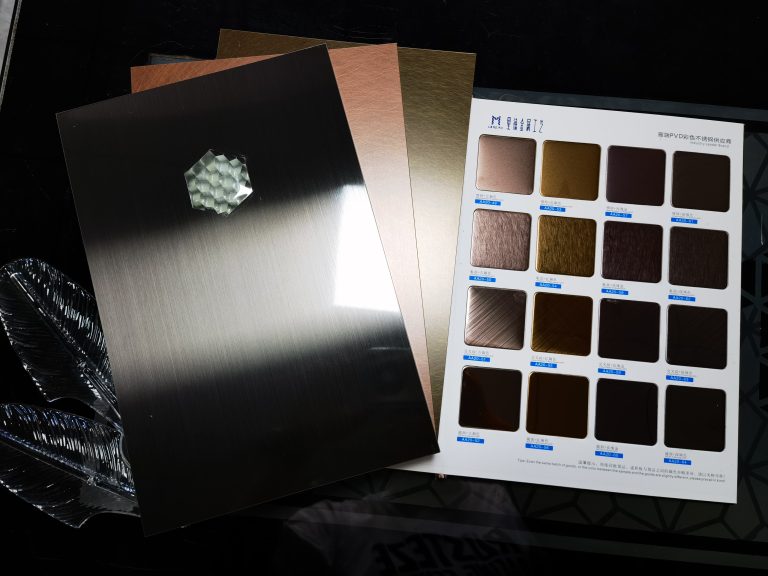
Stainless Steel Doors: Stainless steel provides a sleek, polished, and modern appearance, available in various finishes such as brushed, polished, matte, or custom designs. Its refined look is perfect for luxury spaces such as hotels, restaurants, and retail environments. LeadMC Metal’s stainless steel doors are designed to enhance the overall aesthetics of any commercial space while maintaining functionality.
Weight and Design Flexibility
Carbon Steel Doors: Carbon steel is heavier and less flexible compared to stainless steel, which can make intricate designs more challenging. While it can be shaped and welded, it often requires additional processing to achieve the desired aesthetic and to ensure corrosion protection.
Stainless Steel Doors: Stainless steel offers more design flexibility, allowing for custom shapes, intricate detailing, and seamless welding. This is particularly useful in creating custom doors with unique features, such as integrated glass panels, decorative finishes, and other functional elements like soundproofing or insulation.
Hygiene and Cleanliness
Carbon Steel Doors: Carbon steel is more difficult to clean and maintain, as its surfaces can accumulate dirt, bacteria, and other contaminants. Over time, scratches in the protective coating can expose the steel, leading to rust, which further complicates maintenance, especially in hygiene-sensitive environments.
Stainless Steel Doors: Stainless steel is non-porous, which means it doesn’t harbor bacteria or germs, making it an excellent choice for industries that require high hygiene standards. It is widely used in commercial kitchens, healthcare facilities, and food-grade storage areas. Its smooth surface is easy to clean and maintain, ensuring long-term hygiene and appearance.
Cost Considerations
Carbon Steel Doors: Carbon steel is typically more affordable upfront due to its simpler composition. However, the need for additional coatings and regular maintenance to prevent rust and wear can result in higher long-term costs, making it less economical over time.
Stainless Steel Doors: While stainless steel has a higher initial cost, it offers better long-term value due to its durability, corrosion resistance, and low maintenance requirements. For commercial spaces where long-term reliability and aesthetics are important, stainless steel doors are a more cost-effective solution in the long run.
Key Differences Between Carbon Steel and Stainless Steel for Doors
At LeadMC Metal, we emphasize high-quality, durable, and aesthetically pleasing designs for our stainless steel doors. Compared to carbon steel, stainless steel provides superior corrosion resistance, enhanced durability, and a modern, luxurious appearance—making it the perfect material for commercial applications where performance, maintenance, and aesthetics are top priorities.
Applications of Stainless Steel Doors
Luxury Retail Stores: Stainless steel doors offer an elegant and secure way to complement high-end retail spaces, providing both aesthetics and security for display areas, entrances, and storage rooms.
Restaurants and Hotels: Ideal for back-of-house areas, kitchens, storage rooms, and even main entrances, stainless steel doors help maintain a clean, modern look in hospitality spaces while offering durability in high-traffic areas.
Office Buildings: Stainless steel doors provide a professional and polished appearance, making them perfect for corporate office buildings, lobbies, and conference rooms, while also ensuring long-lasting performance.
Commercial Kitchens: In commercial kitchens where hygiene is paramount, stainless steel doors are resistant to bacteria and easy to clean, making them the top choice for restaurant kitchens and food preparation areas.
Healthcare Facilities: Stainless steel doors are widely used in hospitals and clinics due to their hygienic properties, durability, and resistance to corrosion in demanding environments.
Conclusion
stainless steel is the superior choice for high-end commercial doors, offering a blend of style, strength, and durability. Whether you’re outfitting a luxury hotel, a fine dining restaurant, or a busy office building, stainless steel doors from LeadMC Metal ensure a sophisticated and lasting solution.
LeadMC Metal: Your Trusted Expert in Stainless Steel Doors
With 10+ years of expertise, LeadMC Metal specializes in stainless steel doors and elevator interior solutions for commercial spaces like hotels, offices, and malls.
Expertise & Quality – Decades of experience in crafting durable and stylish stainless steel doors.
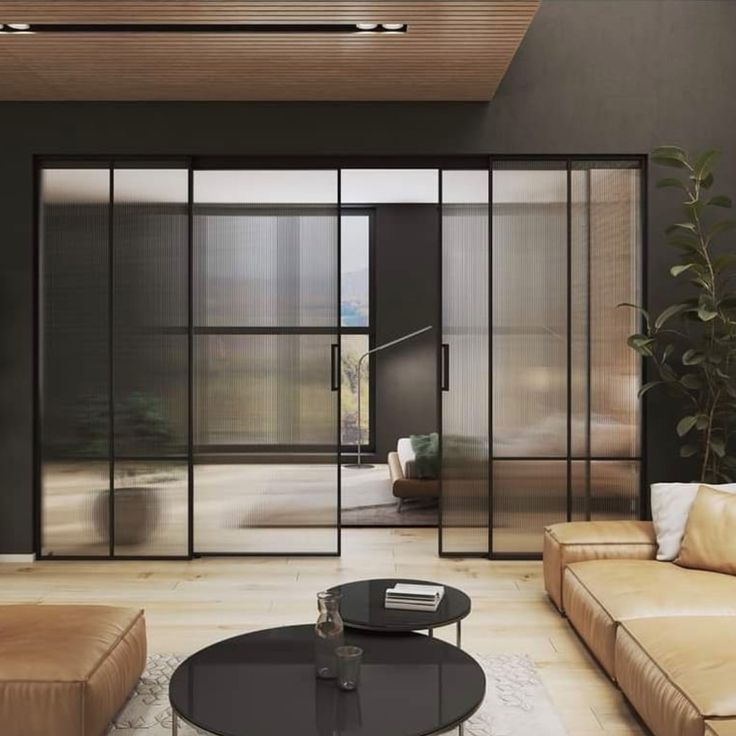
Diverse Solutions – Floor spring doors, sliding doors, folding doors, and custom designs to fit any project.
Premium Materials – High-grade 304 & 316 stainless steel for superior corrosion resistance and longevity.
Custom Aesthetics – Finishes include brushed, mirror-polished, and etched stainless steel for a sleek look.
Seamless Integration – Designed to complement elevator walls, ceilings, and control panels for a cohesive style.
Sustainable & Low Maintenance – 100% recyclable, long-lasting, and easy to clean.
At LeadMC Metal, we use premium-grade stainless steel (304 & 316), ensuring corrosion resistance, durability, and long-term performance. Whether you’re designing luxury hotel elevators or high-end commercial spaces, our custom stainless steel doors provide the perfect blend of strength, aesthetics, and functionality.

How to Clean Sliding Door Tracks Properly?
Sliding doors are essential in commercial spaces like hotels and restaurants, offering smooth access between rooms, patios, and different areas

Choosing the Right Material for Stainless Steel Doors
Steel is an essential material in the construction and design industries, with carbon steel and stainless steel being two of

5 Different Types and Grades of Stainless Steel Explained
Different types of numbering have unique properties, and understanding these differences is important in choosing the most appropriate material for