How to Choose Hotel Sliding Doors? The Ultimate Guide
When designing or renovating a hotel, every detail matters. One of the most important elements to consider is the sliding doors. Sliding doors aren’t just a practical solution for saving space; they can transform the atmosphere of a hotel, enhancing both the guest experience and the overall aesthetic of the space.
In this guide, we’ll walk you through the essential factors to consider when choosing sliding doors for a hotel. From material selection to safety features, we’ll help you make the right decision for your property.
1. Material Selection: The Foundation of Durability and Aesthetics
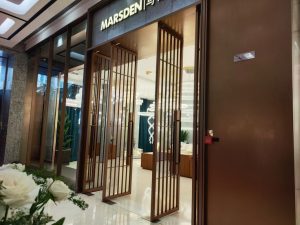
When it comes to choosing the right material for your hotel’s sliding doors, durability and design are key factors. At LeadMC, we specialize in stainless steel, an ideal material for commercial spaces like hotels due to its strength, resistance to corrosion, and sleek, modern appearance. Let’s look at some of the best material options for sliding doors in a hotel setting:
Material
Best For
Key Features
Stainless Steel
Modern hotels, high-traffic areas
Strong, durable, resistant to corrosion, sleek finish
Glass
Contemporary, luxurious interiors
Bright, open feel, allows natural light
Aluminum
Minimalist or industrial styles
Lightweight, durable, low-maintenance
Wood
Rustic or traditional settings
Warm, timeless appeal, but requires more maintenance
Stainless steel doors, for example, offer a high-end look while being incredibly robust and resistant to wear and tear. This makes them perfect for commercial applications, especially in environments that experience a lot of foot traffic, such as hotels.
2. Sizing and Functionality: Customization for Commercial Spaces
Choosing the right size is critical. Standard sliding doors may fit most residential spaces, but hotels often require custom solutions to accommodate specific needs.
Room Size Considerations
In a hotel, sliding doors often need to cater to large, open spaces. Larger doors create a sense of openness and connection, particularly when connecting rooms to outdoor areas like balconies or patios. However, for smaller rooms or compact hotel layouts, smaller sliding doors might be a more practical choice.
Functionality: Maximizing Space and Comfort
One of the main advantages of sliding doors is their ability to maximize space. By sliding open, these doors eliminate the need for swinging space, a must for hotel rooms where space is often at a premium.
Additionally, consider features that enhance functionality in a commercial setting. For instance:
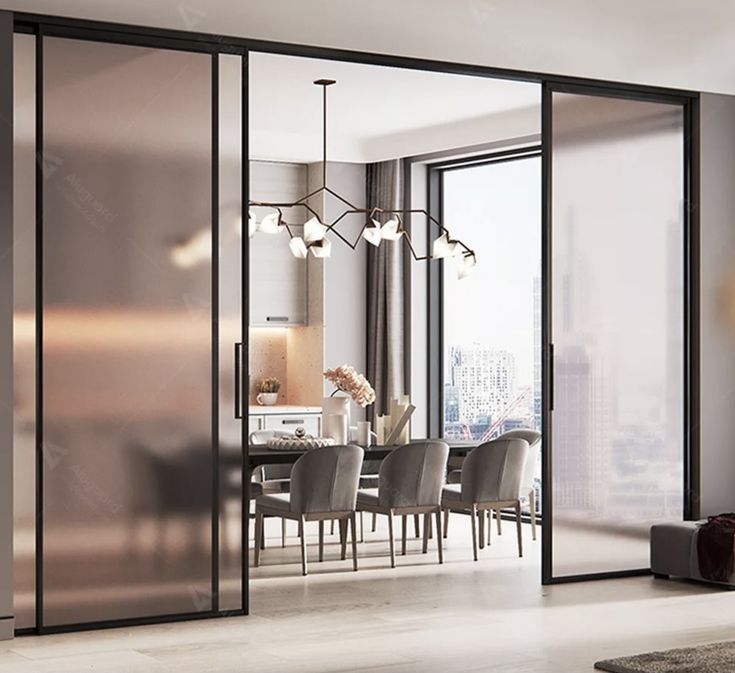
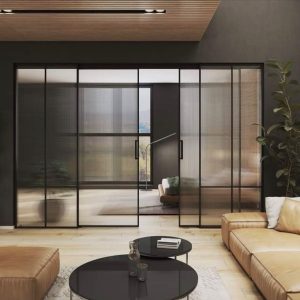
Frosted Glass or Built-In Blinds: Ideal for maintaining privacy while still allowing natural light to filter in.
Automatic Closing: In high-traffic hotel areas, automatic sliding doors can offer convenience and enhance guest flow.
3. Security: Safeguarding Guests and Property
Security is a top priority when choosing sliding doors for hotels. A sliding door in a hotel room or common area must provide adequate security to protect guests and property.
At LeadMC, we ensure our doors come with multi-point locking systems—locks positioned at the top, bottom, and center of the door to enhance security. Additionally, stainless steel frames can be reinforced to provide added security.
For highly secure areas such as hotel safes or restricted staff areas, consider incorporating reinforced glass or additional security sensors. Some commercial sliding doors also come with advanced locking mechanisms that can be controlled remotely, offering another layer of safety for both guests and staff.
4. Aesthetic Considerations: Blending Style and Function
Style Options
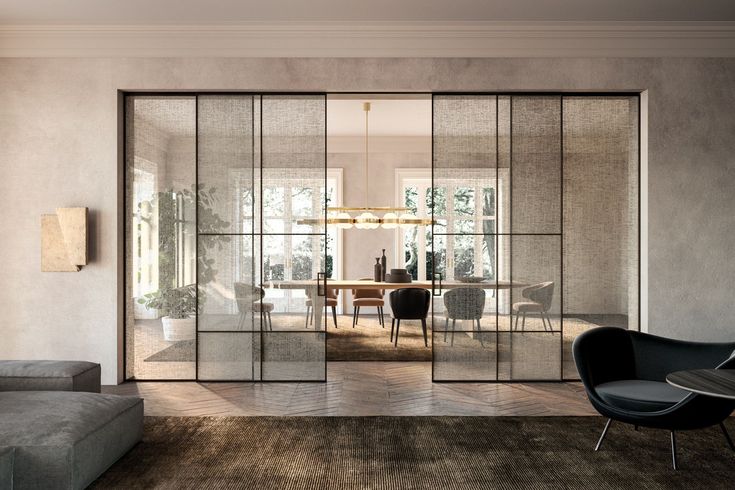
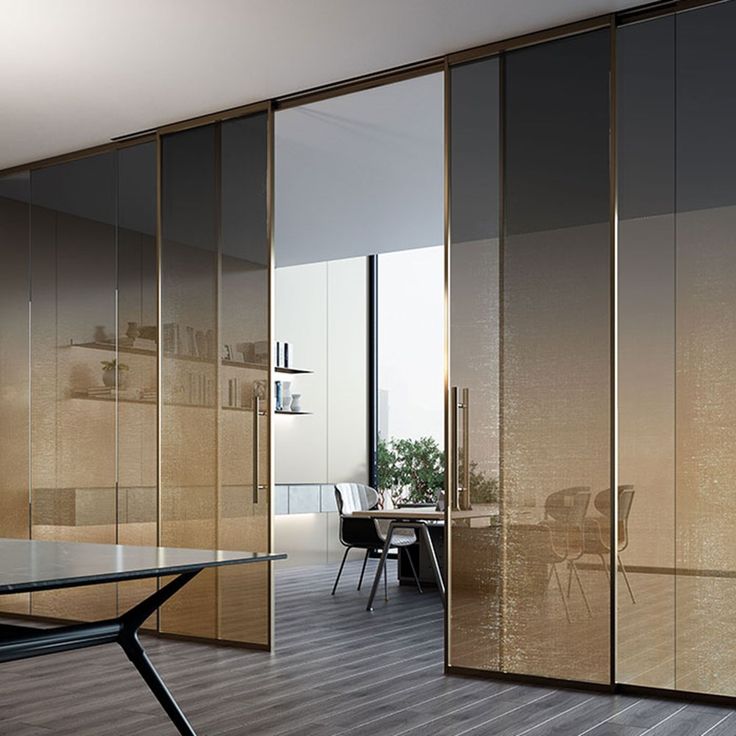
Glass Sliding Doors: Perfect for modern and luxurious hotel designs, glass doors offer a seamless connection between indoor and outdoor spaces, allowing natural light to flood in while maintaining a sense of openness.
Louvered Sliding Doors: If privacy is a concern, louvered doors offer a stylish solution while still allowing air circulation. These are especially suitable for hotel rooms or suites that require privacy without compromising ventilation.
Pocket Sliding Doors: Ideal for maximizing space in tight hotel corridors or rooms, pocket doors slide into the wall, making them an unobtrusive yet elegant choice.
Hardware and Finishes
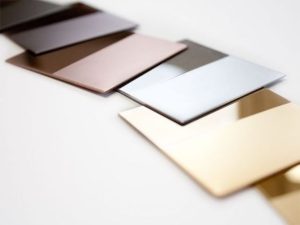
The hardware used in commercial sliding doors must be both functional and aesthetically pleasing. Choose finishes such as brushed nickel, matte black, or classic bronze to complement your hotel’s decor.
For durability, stainless steel finishes are often preferred for high-traffic areas due to their resistance to fingerprints, scratches, and corrosion. Opt for flush handles for tight spaces or pull handles for a more minimalist look.
5. Efficiency: Cost-Effective and Energy-Efficient Solutions
Energy efficiency is an increasingly important consideration for commercial properties, especially in the hospitality industry where operational costs can quickly add up. Stainless steel doors with double or triple glazing are a great choice for hotels looking to improve energy efficiency by reducing heat loss and improving insulation.
Additionally, uPVC frames can further improve the door’s energy efficiency, helping you maintain a comfortable indoor temperature while keeping energy costs down.
6. Installation and Maintenance: Choosing Practical Solutions
Hotel sliding doors need to be both easy to install and easy to maintain. Complex installations, such as custom designs or multi-slide configurations, can increase installation costs and require more maintenance over time.
At LeadMC, we ensure that our doors are designed for straightforward installation with minimal disruption. Maintenance is also a key factor—stainless steel doors, for instance, require little upkeep compared to wooden or glass doors, which may need regular cleaning or refinishing.
7. Performance Features: Additional Considerations for Hotels
Sound Insulation
In a hotel, noise reduction is crucial to ensure a peaceful guest experience. Sliding doors with soundproofing features help reduce noise from hallways, other rooms, and external sources. Hawa Suono Sliding Doors, for example, are designed with specialized technology to enhance acoustic insulation. If soundproofing is a priority for your hotel, consider doors with multiple layers of glass and acoustic ratings to guarantee peace and quiet for your guests.
FAQs
Can you put a sliding door in a hotel room? Yes, sliding doors are perfect for hotel rooms. They save space, allow natural light to enter, and give rooms a modern, airy feel. They also provide a seamless connection to outdoor areas such as balconies or patios, creating a more inviting atmosphere.
What types of sliding doors are best for hotels? For hotels, the most common types of sliding doors are glass, aluminum, and stainless steel. These materials are durable, energy-efficient, and aesthetically pleasing. Pocket doors and louvered doors can also be great options for maximizing space and privacy.
What are the disadvantages of sliding glass doors in hotels? The main drawbacks include potential poor insulation and security concerns, especially if the glass isn’t reinforced. However, these can be mitigated by choosing high-performance glass with enhanced security features and better insulation ratings.
Conclusion
Choosing the right sliding doors for your hotel is an important decision that impacts both the functionality and aesthetic of your property. By considering factors such as material selection, security, energy efficiency, and style, you can enhance the guest experience while maintaining long-term durability and ease of maintenance.
At LeadMC, we specialize in providing high-quality stainless steel sliding doors tailored to the unique needs of commercial properties. Whether you’re designing a new hotel or renovating an existing one, we’re here to help you select the perfect sliding doors to suit your vision and requirements.