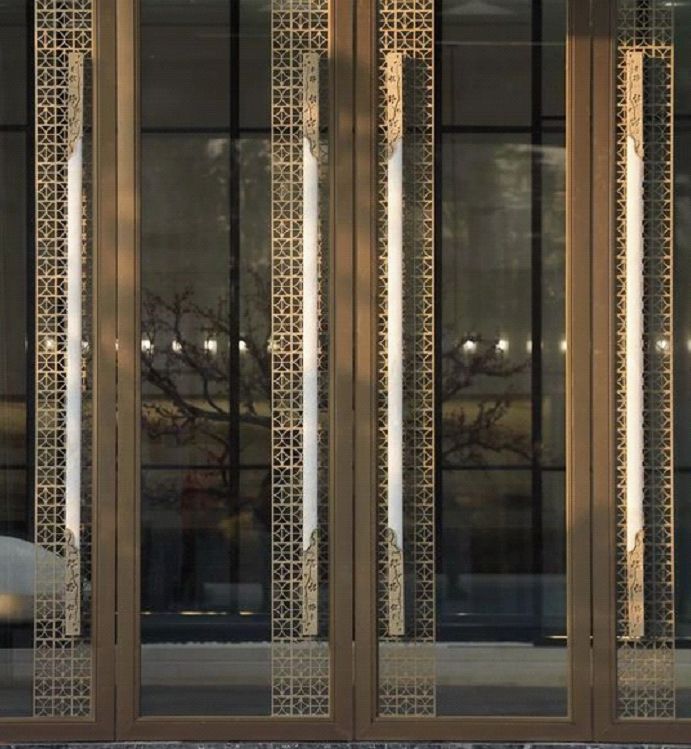
How to Remove Rust from Stainless Steel Floor Spring Doors

-

-

How to Remove Rust from Stainless Steel Floor Spring Doors

If you’ve ever noticed stubborn rust marks tarnishing the surface of your stainless steel floor spring doors, you’re not alone. Rust can be an issue even for the most durable materials. In this guide, we’ll cover the best methods for removing rust from stainless steel floor spring doors, ensuring their longevity and maintaining their sleek appearance.

Rust and Stainless Steel Floor Spring Doors

Rust, or iron oxide, is a reddish-brown substance that forms on metal when it comes into contact with water and oxygen. Stainless steel, known for its resistance to corrosion and high durability, is typically used in commercial settings, such as hotels, restaurants, and offices. However, even stainless steel can rust, especially when its protective layer is compromised.

Floor spring doors, made from stainless steel, are susceptible to rust when their chromium oxide layer is scratched or damaged. This exposes the underlying iron, making it vulnerable to moisture and air, which are the primary ingredients for rust.

Why It's Important to Remove Rust from Stainless Steel Floor Spring Doors

Rust on stainless steel floor spring doors is not just an aesthetic issue; it can also compromise the structural integrity of the material. When rust sets in, it weakens the surface, making it prone to further damage. Here’s why removing rust is essential:

  1. Prevention of Further Corrosion: Rust spreads over time, leading to deeper corrosion. By removing it early, you prevent more extensive damage that could eventually require expensive repairs or replacements.

  2. Hygiene Maintenance: Stainless steel is often used in commercial settings where hygiene is critical. Rust can create rough, porous surfaces that trap bacteria, making cleaning harder. By removing rust, you keep your stainless steel floor spring doors hygienic.

  3. Extending the Lifespan: Rust weakens the structure of stainless steel. Over time, untreated rust can cause cracks or holes, leading to irreversible damage. Addressing rust early helps extend the lifespan of your doors.

  4. Cost Savings: Neglecting rust damage can result in costly repairs or the need for replacements. Regular maintenance can save your business money by preserving the quality of your stainless steel doors.

Methods for Removing Rust: Chemical vs. Natural Solutions

When dealing with rust on stainless steel floor spring doors, you have two main options: chemical and natural methods. Let’s explore both approaches.

Chemical Methods

  1. Commercial Rust Removers
    These products are designed specifically to remove rust from metal surfaces. They contain powerful acids like oxalic or phosphoric acid that dissolve rust quickly. Be sure to follow the manufacturer’s instructions and use protective gloves.

  2. Lemon Juice & Baking Soda
    Lemon juice’s citric acid helps break down the rust, while baking soda’s abrasiveness makes it easier to scrub away. This combination is both effective and gentle on stainless steel.

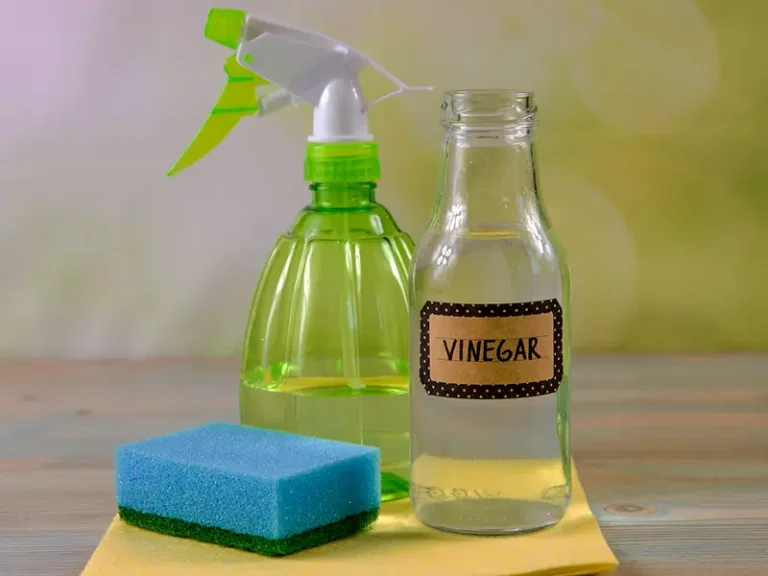
  3. Vinegar
    Vinegar is another household item with an acidic property that can help dissolve rust. Soak a cloth with vinegar and apply it to the rusted areas for about an hour before scrubbing.

  4. Cola
    Surprising as it may sound, cola can help with rust removal. The acids in cola break down the rust, making it easier to wipe away after 15-20 minutes.

Natural Methods

  1. Salt and Lime
    Salt works as an abrasive, while lime juice helps dissolve the rust. This method is natural and simple, but effective for light rust stains.
  2. Potato
    The oxalic acid in potatoes helps dissolve rust on stainless steel. Simply cut a potato in half and rub it over the rusted area, or make a paste using grated potato and water for larger spots.
  3. Baking Soda Paste
    Mix baking soda and water to create a paste, then apply it to the rusted area. Let it sit for 15-20 minutes and scrub it gently with a soft sponge.

Common Causes of Rust on Stainless Steel Floor Spring Doors

Rust on stainless steel floor spring doors can be caused by various factors. Knowing these causes can help you prevent rust from forming in the first place.

  1. Exposure to Chlorides
    Chloride exposure, whether from saltwater or cleaning chemicals, can cause rust on stainless steel. Always ensure that cleaning agents are free from chlorides.

  2. Scratches or Damage
    Scratches on stainless steel doors allow moisture and air to reach the metal beneath the protective layer, triggering rust formation. Be cautious of rough handling or sharp objects that can scratch the surface.

  3. Lack of Maintenance
    Like all stainless steel products, floor spring doors require regular cleaning and care to maintain their appearance and durability. Neglecting maintenance can lead to rust and corrosion over time.

  4. Exposure to High Heat
    Stainless steel is heat-resistant, but prolonged exposure to high temperatures can lead to discoloration and rust, especially in kitchen areas or areas near heating vents.

  5. Use of Harsh Chemicals
    Avoid using harsh chemicals like bleach or strong acids on stainless steel surfaces. These substances can damage the protective layer, leading to rust formation.

  6. Galvanic Corrosion
    When stainless steel comes into contact with other metals in the presence of moisture, it may experience galvanic corrosion. Ensure that your floor spring doors are not in contact with other metals, especially in wet environments.

How to Remove Rust from Stainless Steel Floor Spring Doors

Follow these steps to remove rust from your stainless steel floor spring doors:

Step 1: Gather Your Materials

You’ll need cleaning supplies like white vinegar, baking soda, lemon juice, dish soap, a soft cloth or sponge, and a rust remover product (if necessary).

Step 2: Prepare the Affected Area

Clear the area around the door to avoid damage to other surfaces. Lay down protective coverings to catch drips or spills.

Step 3: Assess the Rust

Determine whether the rust is surface-level or deep. For light rust, natural remedies may suffice. For deeper rust, you may need stronger chemical cleaners.

Step 4: Apply White Vinegar

Soak a cloth with white vinegar and apply it to the rusted area for an hour. Afterward, scrub the area with a soft brush or sponge.

Step 5: Use Baking Soda

If vinegar doesn’t do the job, apply a baking soda paste. Let it sit for 15-20 minutes, then scrub the area gently.

Step 6: Try Lemon Juice

Apply fresh lemon juice to the rust and let it sit for about an hour. Scrub with a soft brush or sponge afterward.

Step 7: Use Dish Soap for Stubborn Stains

For stubborn rust, mix dish soap with warm water. Apply it to the affected area, wait an hour, and scrub away.

Step 8: Rinse and Dry

Rinse the area thoroughly with clean water and dry it off with a clean towel to prevent new rust from forming.

Step 9: Use a Commercial Rust Remover

For persistent rust, use a commercial rust remover, following all safety precautions. Be sure to rinse thoroughly and dry the surface.

Conclusion

Rust on stainless steel floor spring doors can be a nuisance, but with the right methods, you can easily restore your doors to their original shine. Whether you opt for natural solutions or chemical products, be sure to maintain your doors regularly to prevent rust from taking hold in the future.

By following these steps, you can keep your stainless steel floor spring doors looking pristine and functioning well for years to come.