The Truth About Stainless Steel Door: Is It Really Waterproof?
Stainless steel doors are widely used in commercial spaces like hotels and restaurants due to their durability, modern appearance, and excellent corrosion resistance. However, many people have misconceptions about the waterproofing performance of stainless steel doors. While stainless steel is considered a highly durable material, how well does it really stand up to moisture over time? In this article, we’ll explore the waterproof capabilities of stainless steel doors, factors affecting their resistance to water, and how to properly maintain them.
Basic Properties of Stainless Steel Doors
Stainless steel doors are made from stainless steel alloys, primarily composed of iron and at least 10.5% chromium. This composition gives stainless steel excellent resistance to corrosion, especially in environments exposed to moisture or chemicals. In commercial spaces like hotels and restaurants, stainless steel doors are favored for their ability to effectively resist water and moisture.
However, it’s important to note that while stainless steel doors have strong corrosion resistance, prolonged exposure to water or saltwater can lead to corrosion or damage over time. Let’s take a closer look at the factors that affect the waterproofing performance of stainless steel doors.
Factors Affecting the Waterproofing Performance of Stainless Steel Doors
1. Composition and Grade of Stainless Steel
The waterproofing performance of stainless steel doors is closely linked to their composition and grade. Common grades of stainless steel include 304 and 316, with 316 offering higher corrosion resistance, especially in environments with saltwater exposure. If you’re using stainless steel doors in commercial spaces like hotels or restaurants, choosing grade 316 doors will ensure better protection against moisture and environmental damage.
While 304 stainless steel performs well in most damp environments, it is more prone to corrosion when exposed to saltwater or chemicals. Understanding the grade of stainless steel can help you select the right material to ensure superior waterproofing performance.
2. Exposure to Chlorides
If stainless steel doors are regularly exposed to environments containing chlorides, such as pool areas or coastal regions, their waterproofing performance may degrade. Chlorides accelerate the corrosion of stainless steel, especially when exposed for extended periods. To maintain the longevity of stainless steel doors in these environments, regular cleaning and maintenance are essential.
3. Surface Treatment of Stainless Steel Doors
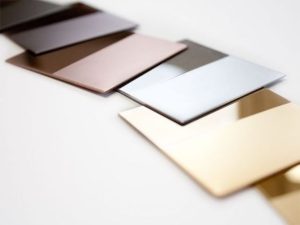
The surface treatment of stainless steel doors directly affects their resistance to water. A smooth surface provides better protection against moisture retention and contaminants, reducing the likelihood of corrosion. High-quality surface treatments, such as mirror polishing, not only enhance the door’s aesthetic appeal but also improve its waterproofing and resistance to stains and scratches.
4. Contact with Other Metals
When stainless steel doors come into direct contact with other metals, such as aluminum or carbon steel, galvanic corrosion may occur. This process accelerates the corrosion of the less noble metal while protecting the more noble one. To prevent galvanic corrosion, it is crucial to ensure that stainless steel doors are not in direct contact with other metal materials or to use insulating materials to separate the metals.
Real-Life Applications of Stainless Steel Doors’ Waterproof Qualities
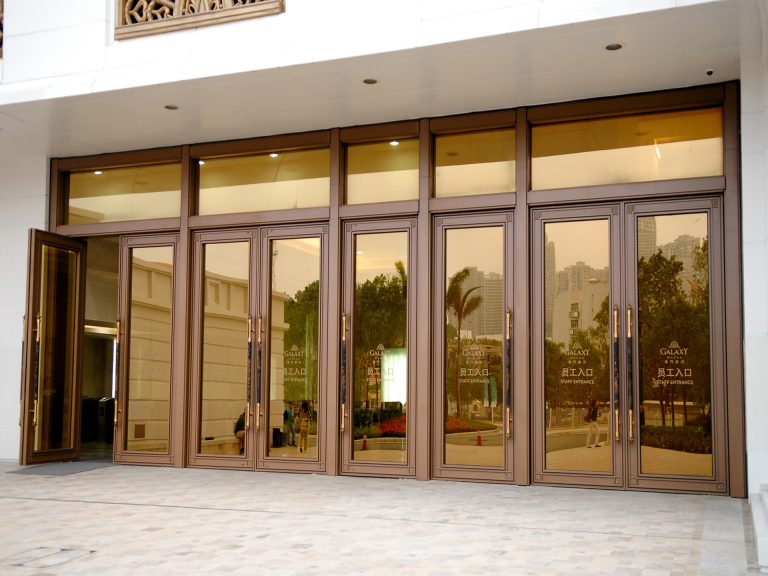
The waterproofing qualities of stainless steel doors are especially important in commercial environments. Hotels and restaurants often face humid conditions, such as in kitchens, bathrooms, and pool areas. Stainless steel doors are the ideal choice in these spaces due to their excellent resistance to moisture and long-lasting durability.
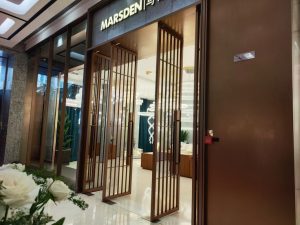
For example, the entrance doors to hotel lobbies, restaurant kitchens, and bathroom doors all benefit from the use of stainless steel, as these doors can effectively withstand the moisture and constant cleaning demands of these environments. The non-porous surface and corrosion resistance of stainless steel ensure that the doors remain intact and functional over time.
Common Misconceptions About Stainless Steel Doors and Waterproofing
Although stainless steel doors offer excellent waterproofing, there are still some misconceptions that need to be clarified:
Myth #1: All stainless steel doors are 100% waterproof. While stainless steel doors are highly durable and resistant to water, they are not entirely waterproof under all conditions. Prolonged exposure to saltwater or harsh chemicals can compromise the protective layer of the steel, leading to corrosion.
Myth #2: Stainless steel doors never rust. Even high-quality stainless steel can rust under certain circumstances. If the surface is scratched or exposed to extreme moisture for extended periods, it may corrode. Regular inspection and maintenance are crucial to prevent rust formation.
Myth #3: Stainless steel doors are unaffected by chlorinated water. Chlorine in swimming pools or tap water can significantly impact the corrosion resistance of stainless steel. It reacts with free iron particles on the metal’s surface, causing rust. Regular cleaning and maintenance are necessary to keep stainless steel doors in good condition when exposed to chlorinated environments.
Myth #4: Coatings or paint can make stainless steel doors completely waterproof. While coatings or paint can offer temporary protection against moisture, they do not make stainless steel doors fully waterproof. If the coating chips or cracks, moisture can get trapped underneath, accelerating corrosion.
How to Properly Care for Your Stainless Steel Doors
To maintain the waterproofing performance and durability of your stainless steel doors, regular maintenance is essential. Here are some practical care tips:
Regular Cleaning Clean stainless steel doors using warm water and a mild detergent or soap. Avoid using harsh chemicals or abrasive cleaners that could damage the surface.
Wipe in the Direction of the Grain When cleaning, always wipe the surface in the direction of the grain to avoid scratching the steel.
Keep the Surface Dry After cleaning, make sure the stainless steel doors are thoroughly dried to prevent water spots and rust.
Regular Inspections Periodically inspect the doors for any signs of scratches or damage, particularly around joints and edges. Address any issues immediately to prevent further deterioration.
By following these care tips, your stainless steel doors will maintain their resistance to moisture and remain in excellent condition for many years.
Conclusion
Overall, stainless steel doors are ideal for commercial spaces, especially hotels and restaurants, due to their superior water resistance, corrosion-resistant properties, and modern appearance. However, despite its high water resistance, stainless steel is not completely immune to the effects of water. When choosing the right door material, it’s important to consider the grade of stainless steel, the finish, the exposure environment and regular maintenance. By understanding the factors that affect the water resistance of your stainless steel doors and following proper maintenance recommendations, you can extend their lifespan and ensure their long-term, consistent performance in wet environments.
As LeadMC, we are committed to providing high-quality stainless steel door solutions for commercial spaces, ensuring that they are not only aesthetically pleasing but also long-lasting. Whether it’s a wet kitchen or bathroom, or a frequently cleaned common area, our stainless steel doors will provide strong protection for your space while maintaining its original luster and structural integrity.
If you have any questions about stainless steel doors or their maintenance, please feel free to contact us for expert advice and service.