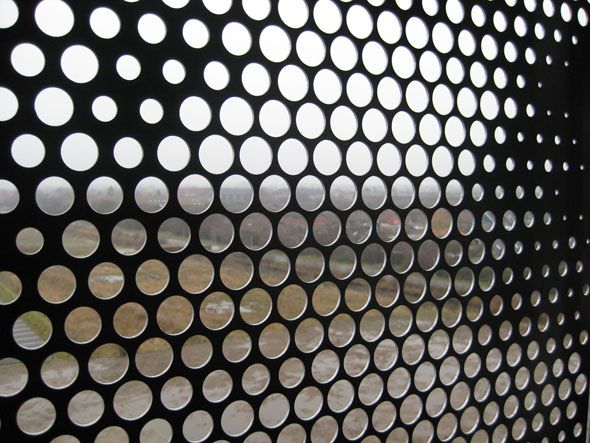
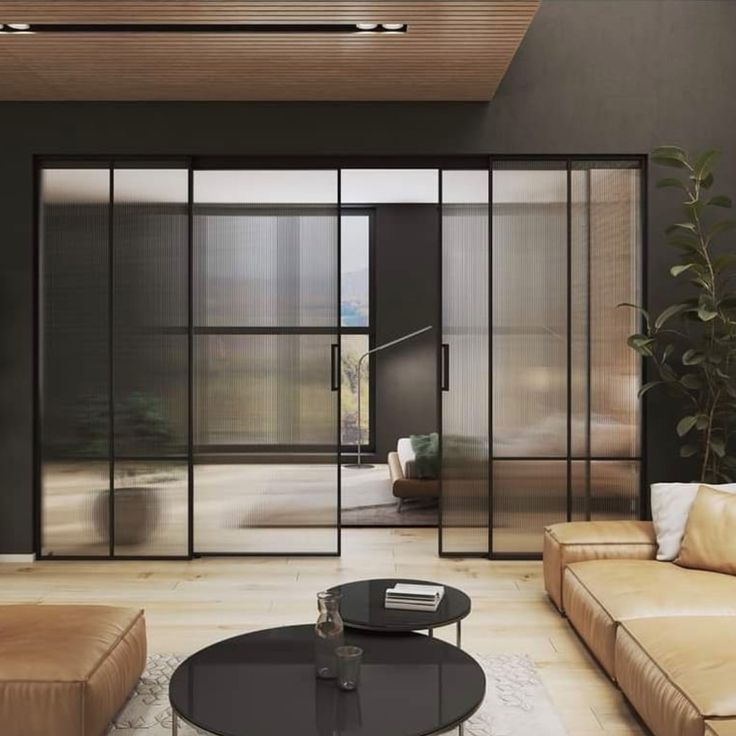
Perforated metal is not only a functional material but also an innovative design element that enhances both aesthetics and performance in commercial spaces. From architectural applications to industrial solutions, perforated metal opens up new possibilities in ventilation, light control, and modern design.
At LeadMC Metal, we have specialized in high-quality stainless steel doors for over a decade, including floor spring doors and sliding doors . Our expertise extends to integrating perforated metal into stainless steel doors and architectural elements for hotels, restaurants, and commercial spaces, offering both durability and visual appeal.
What is Perforated Metal?
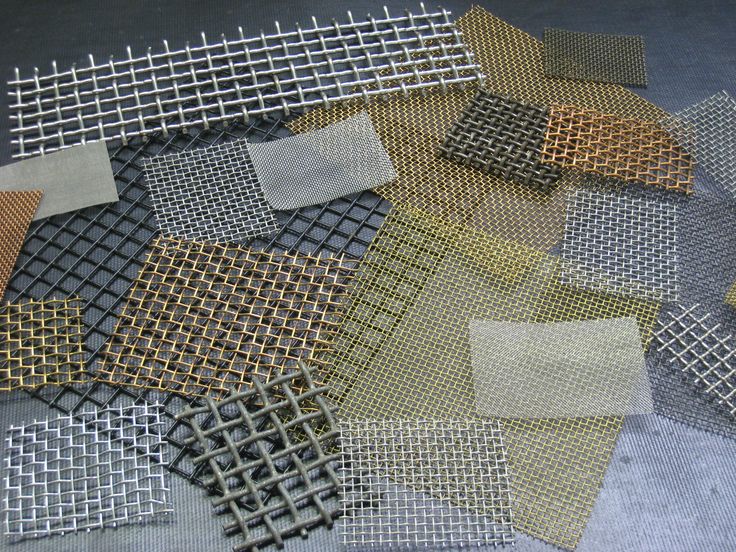
Perforated metal consists of sheets or panels with precisely punched or drilled holes in various shapes and sizes. These perforations serve multiple functional and decorative purposes, enhancing airflow, light diffusion, and sound absorption. Stainless steel, aluminum, and copper are common materials used, with stainless steel being the most durable, corrosion-resistant, and ideal for commercial applications.
At LeadMC Metal, we incorporate perforated stainless steel panels into our door designs to enhance ventilation and aesthetic appeal. These panels are particularly effective in high-traffic commercial areas like hotel lobbies, restaurant partitions, and storefront entrances.
Characteristics of Perforated Metal
Perforated stainless steel is exceptionally strong, offering superior resistance to wear, impact, and corrosion. This makes it an ideal choice for commercial applications, including stainless steel doors in high-traffic environments.
Designers can choose from a variety of hole patterns, sizes, and layouts to meet both functional and aesthetic needs. LeadMC Metal provides custom perforation options for clients seeking unique architectural designs.
Perforated panels allow controlled airflow, which is particularly useful in stainless steel doors for commercial kitchens, storage rooms, and HVAC areas where ventilation is crucial.
By adjusting the hole size and density, perforated metal can filter natural light while maintaining privacy, making it an excellent choice for restaurant dividers, hotel entrance doors, and decorative panels.
Perforated metal is widely used for sound absorption and noise reduction. LeadMC Metal integrates perforated panels into doors and partitions to create quieter, more comfortable commercial spaces.
Perforated metal enhances the visual appeal of commercial interiors. Our stainless steel perforated doors and wall panels provide a modern, high-end look for luxury hotels, upscale restaurants, and high-end retail stores.
Applications of Perforated Metal in Commercial Architecture
Perforated Metal Doors
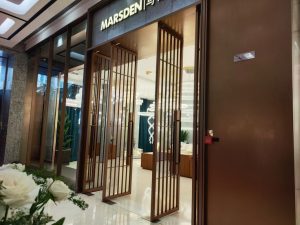
LeadMC Metal specializes in stainless steel perforated doors, offering solutions for hotel lobbies, commercial kitchens, and restaurant entrances. These doors provide both security and ventilation, ensuring a balance between aesthetics and functionality.
Architectural Cladding & Facades
Perforated stainless steel cladding is popular for commercial building exteriors, providing shade, airflow, and a modern industrial look while protecting against weather conditions.
Interior Screens & Partitions
Restaurants and office spaces use perforated metal partitions to separate areas while maintaining an open and airy feel. These screens help with privacy and light control while adding a stylish touch.
Perforated Metal Ceilings
These ceilings are used in hotel lobbies, restaurants, and conference rooms to reduce echo and enhance acoustics while allowing light diffusion for a sophisticated ambiance.
Railing & Balustrades
Perforated stainless steel railings provide both safety and visual appeal, commonly used in staircases, balconies, and commercial walkways.
Decorative Metal Features
From logo panels to custom-designed accents, perforated metal is ideal for creating unique branding elements in high-end commercial spaces.
Beyond Architecture: Other Uses of Perforated Metal
1. Industrial Applications
Perforated metal is used in filtration systems, ventilation grilles, and security enclosures in manufacturing plants, ensuring durability and optimal airflow.
2. Automotive & Transportation
Automobile manufacturers use perforated metal for vented panels, speaker grilles, and protective screens.
3. Retail Displays & Signage
Perforated metal enhances storefronts, shelving, and illuminated signage, adding a contemporary touch to high-end retail stores.
4. Soundproofing & Acoustics
Hotels, theaters, and music studios utilize perforated metal acoustic panels to improve sound absorption and reduce noise pollution.
5. Security Barriers & Enclosures
Used for window guards, protective fences, and commercial security barriers, perforated stainless steel provides both protection and visibility.
Conclusion
Perforated metal is more than just a construction material—it is an architectural solution that enhances both form and function. At LeadMC Metal, we integrate perforated stainless steel into doors, partitions, and facades to create durable, stylish, and high-performance commercial solutions.
Whether you’re designing a luxury hotel entrance, a modern restaurant partition, or a high-end retail storefront, perforated stainless steel from LeadMC Metal ensures quality, durability, and a contemporary edge.

How to Clean Sliding Door Tracks Properly?
Sliding doors are essential in commercial spaces like hotels and restaurants, offering smooth access between rooms, patios, and different areas
Choosing the Right Material for Stainless Steel Doors
Steel is an essential material in the construction and design industries, with carbon steel and stainless steel being two of

5 Different Types and Grades of Stainless Steel Explained
Different types of numbering have unique properties, and understanding these differences is important in choosing the most appropriate material for